2026 Best Chocolate Making Machine for Global Buyers?
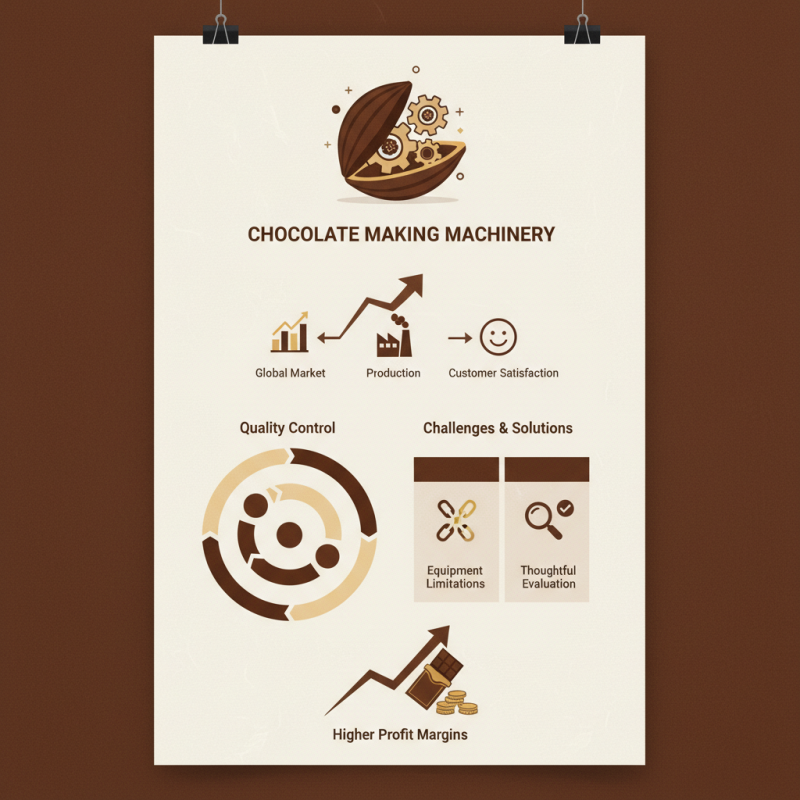
In the dynamic world of confectionery, the demand for high-quality chocolate is ever-growing. According to recent industry reports, the global chocolate market is projected to reach $161 billion by 2026. As a result, investing in a reliable Chocolate Making Machine becomes essential for producers at all levels. These machines not only streamline production but also enhance product quality.
Quality is critical in chocolate production. A top-notch Chocolate Making Machine can significantly improve flavor consistency and reduce production times. However, manufacturers face challenges in choosing the right equipment. The market offers diverse options, which can overwhelm both new and established businesses. Research indicates that approximately 30% of chocolate producers report difficulties in scaling up their operations due to equipment limitations.
Investing in the right Chocolate Making Machine can lead to higher customer satisfaction and better profit margins. However, not every machine performs as advertised. Understanding specifications and company reliability is crucial. Thoughtful evaluation is necessary to avoid potential pitfalls. The journey to finding the best equipment demands careful consideration and a focus on the long-term vision for chocolate production.
Overview of Chocolate Making Machines: Key Features and Benefits
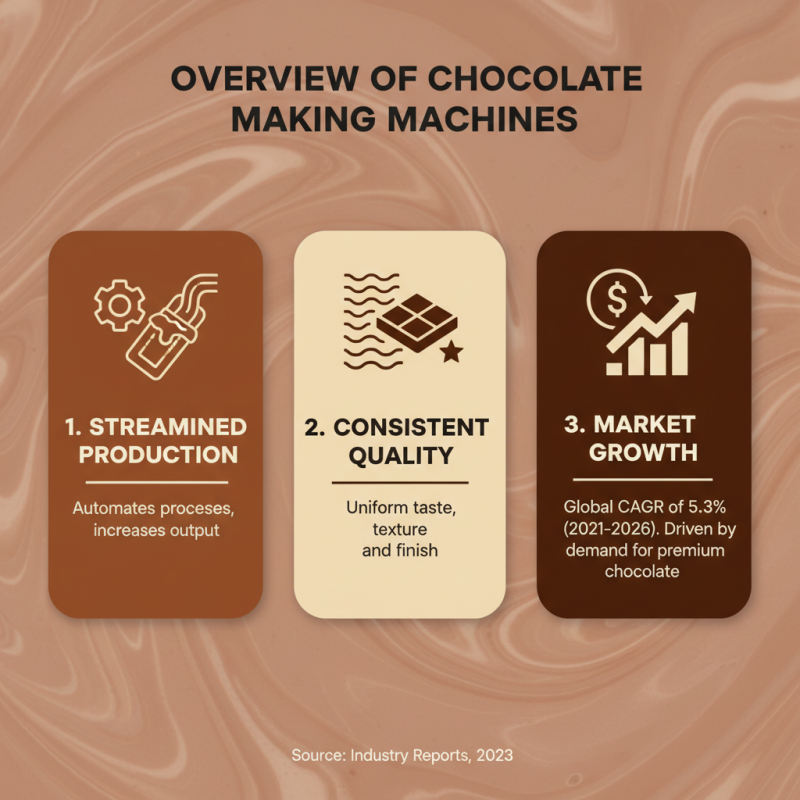
Chocolate making machines are essential for businesses and enthusiasts alike. They streamline production and ensure consistency in quality. According to recent industry reports, the global chocolate making equipment market is projected to grow at a CAGR of 5.3% from 2021 to 2026. This growth highlights the increasing demand for high-quality chocolate products.
When considering a chocolate making machine, key features are crucial. Look for machines that offer precise temperature control and a robust mixing mechanism. These attributes ensure that chocolate is tempered correctly, which impacts texture and flavor. It's also important to focus on machines that are easy to clean and maintain, as hygiene is vital in food production.
Tip: Regular maintenance of your machine is essential for optimal performance. Even small issues can lead to larger problems. Additionally, invest in training staff to ensure they understand the machine's operations. Knowledgeable staff can prevent costly mistakes while enhancing product quality. This level of expertise reflects positively on your brand.
Take time to research features. Not all machines suit every operation, and some may have capabilities you may not initially require. Balancing cost and functionality is key. The wrong choice can lead to inefficiencies that hinder your business growth.
Top Brands of Chocolate Making Machines in 2026: A Comparative Analysis
In 2026, the chocolate making machine market is expected to reach
$2.4 billion globally, according to industry forecasts.
This sector has witnessed significant growth as artisanal chocolate gains popularity. Buyers seek machines
that balance quality and efficiency, yet not all machines deliver on their promises.
A comparative analysis reveals that brands vary in features, durability, and cost-effectiveness.
Machines with modular designs often allow for easier upgrades.
This is crucial as chocolate making techniques evolve, and brands should focus on producing machines that
integrate new technologies seamlessly. Look for models with advanced temperature control and
fine grinding capabilities, as these factors significantly impact the quality of chocolate produced.
Tip: Always consider the machine's
footprint. A compact design can fit into smaller spaces without sacrificing functionality.
Also, note the machine's user interface; beginners will benefit from user-friendly controls. When investing,
think about ongoing support and maintenance options. Consider machines that come with reliable
customer service and accessible parts.
Factors to Consider When Choosing a Chocolate Making Machine
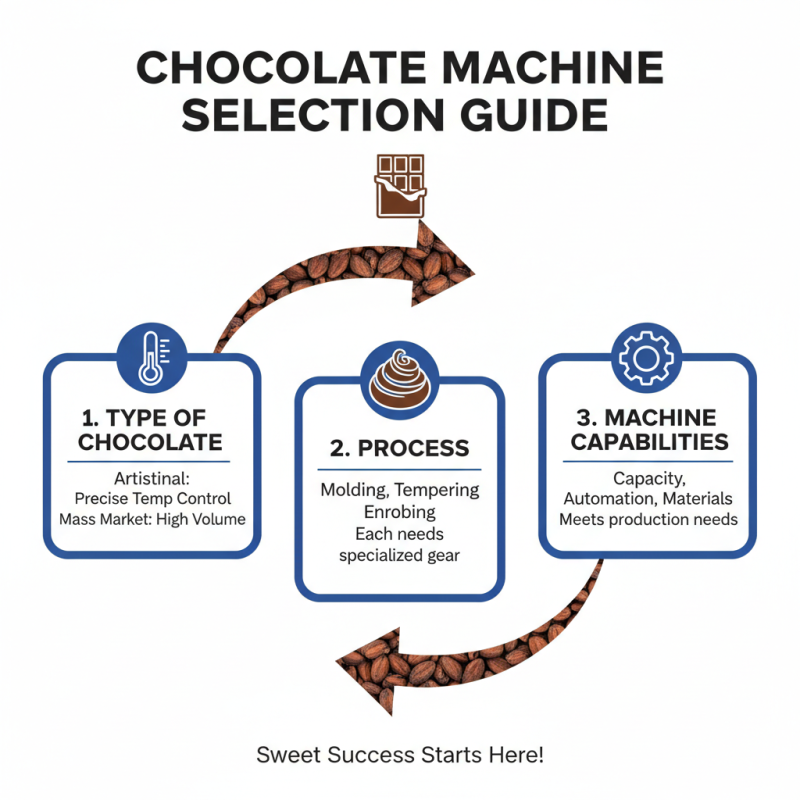
When selecting a chocolate making machine, several factors warrant attention. The type of chocolate produced is paramount. For artisanal chocolates, a machine with precise temperature control is crucial. Chocolatiers may require different machines for molding, tempering, and enrobing. Each process has unique requirements, influencing the choice of equipment.
Another important factor is the machine's capacity. Small-scale producers may not need industrial-sized machines. A compact option may suit their needs better. However, larger businesses aiming to scale should consider machines with higher outputs. Pay attention to the ease of cleaning, too. Chocolate production can be messy; machines with accessible parts will simplify maintenance.
Cost is always a concern. While cheaper models may seem appealing, their durability could be questionable. Investing in a reliable, high-quality machine may save money in the long run. Finally, check the user experience. Reading reviews can reveal flaws or benefits that specifications might not cover. Ensure the chosen machine aligns well with your specific production goals.
User Reviews and Satisfaction Ratings for 2026 Chocolate Machines
When selecting a chocolate making machine for 2026, user reviews shed light on satisfaction levels. Many buyers emphasize the importance of performance and ease of use. A well-rated machine should consistently produce high-quality chocolate. Features like temperature control and mixing speed often top the wish list.
Some users report challenges. Certain machines can be difficult to clean, leaving a lingering mess. Additionally, noise levels during operation may deter potential buyers. However, when a machine excels, users appreciate the efficiency and professional results. Feedback often includes how these machines enhance home chocolate-making experiences.
Satisfaction ratings reveal a mix of opinions. While many users are happy with their purchases, some feel let down by performance. Issues can include limited batch sizes or inadequate heating. Prospective buyers should consider both positive experiences and drawbacks. This will help in making informed choices that meet their chocolate-making needs.
2026 Best Chocolate Making Machine User Satisfaction Ratings
Future Trends in Chocolate Making Technology and Innovations
The chocolate making industry is evolving rapidly. Innovative technologies are reshaping production processes. Recent reports indicate that the global chocolate market is expected to reach $183 billion by 2026. Innovations in machinery are driving these changes, enhancing efficiency and quality.
One trend is the rise of automation in chocolate production. Machines can now monitor temperature and humidity with precision. This technology improves consistency in flavor and texture. A study from the International Cocoa Organization highlights that up to 75% of manufacturers are investing in automated chocolate making equipment. However, adapting to these technologies can be challenging. Not all small businesses have the capital to upgrade their equipment.
Tips: Consider starting small, investing in affordable tools that integrate automation. This can help scale production without overwhelming your budget. Additionally, exploring sustainable practices in sourcing ingredients is crucial. Eco-conscious consumers are demanding transparency and responsibility.
Another emerging trend is the use of 3D printing in chocolate manufacturing. This allows for unique shapes and complex designs. However, the technology still faces hurdles in scaling for mass production. Businesses must evaluate its feasibility against traditional methods. Staying updated with industry trends is vital for future success.