Medien zum Download.

Top 10 Chocolate Bar Wrapping Machines to Buy

Selecting a Chocolate Bar Wrapping Machine is not just a question of speed. A small craft producer may need quick changeovers for different bar sizes, while a high-volume line may prioritize stable output and reliable film handling. PMMI’s 2024 State of the Industry report discusses automation, workforce pressures, and operational efficiency across packaging. Those themes matter on a chocolate line, where temperature, product shape, and wrapper consistency can affect daily performance.

Small details count. Can the machine wrap a narrow bar without loose folds? How long does a format change take? Does the sealing system suit the film you actually plan to run? Buyers should compare rated speed with expected production conditions, then check cleaning access, operator training, spare-parts support, and integration with upstream equipment. A fast specification is not a guarantee of fast production.

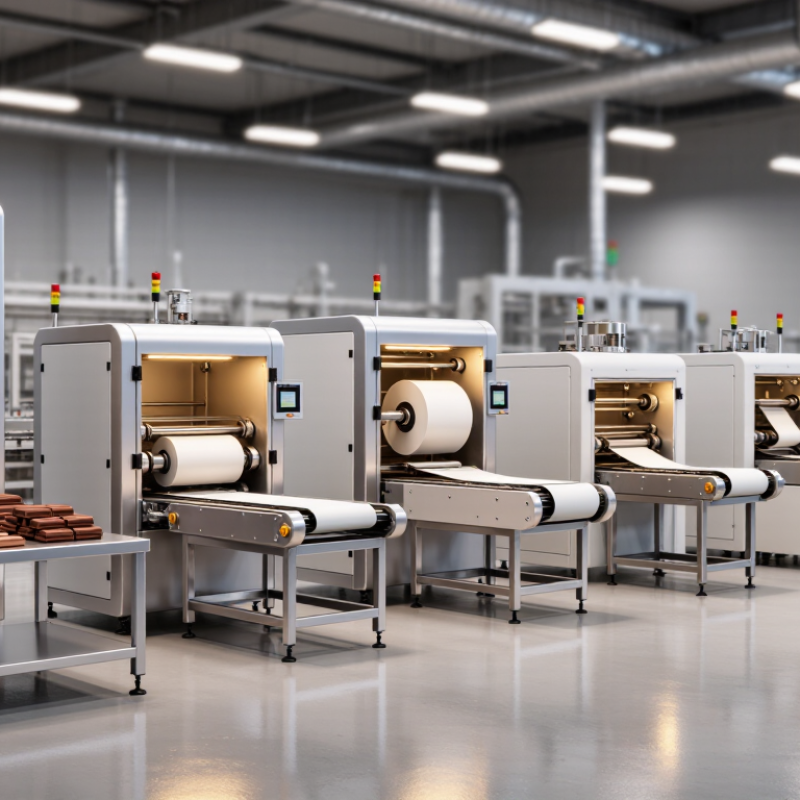
This Top 10 guide compares machines by practical fit, including flow-wrap and other common wrapping approaches. It is a starting point, not a laboratory test or a universal ranking. Supplier specifications should be verified against sample products and packaging materials before purchase. That step is easy to overlook. It should not be. Even a well-built machine can disappoint if changeovers prove awkward or service support is distant. The shortlist therefore focuses on measurable features and questions buyers can take directly to manufacturers, while recognizing that the best choice depends on product mix, budget, and production goals.
Top 10 Chocolate Bar Wrapping Machines to Buy

Define Chocolate Bar Size, Format, and Wrapper Material Before Comparing 10 Machines

Before comparing ten chocolate bar wrapping machines, record each bar’s length, width, thickness, and weight range. Measure actual bars. Include filled or seasonal variants, since small size changes can affect feeding and fold quality. Chocolate may soften during production, so note the product’s condition at the wrapping station. That matters. Then define the pack format: flow-wrap, pillow pack, or folded-envelope style. Each format requires different forming and sealing motions. A stated speed means little unless the machine can maintain it with your bar size and desired format.

Wrapper material is just as important. Foil, paper-based laminates, and flexible films differ in stiffness, barrier performance, and heat-sealing behavior. Run a sample. Ask suppliers to test your actual roll stock, including its width, thickness, and seal layer. Check core size, print-mark registration, and whether the line feeds bars singly or in groups. During trials, inspect seals, wrinkles, end folds, and scuffed chocolate—not just the first attractive pack. Paper specifications can still mislead; a longer run may reveal jams or inconsistent seals. Compare changeover time and cleaning access, too. I would revise the shortlist after testing, because a machine that fits one wrapper may struggle with another.
Compare Flow-Wrap, Foil, and Fold-Wrap Machines by Seal Type and Product Fit

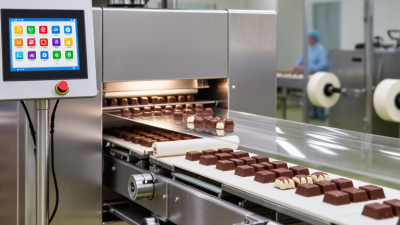
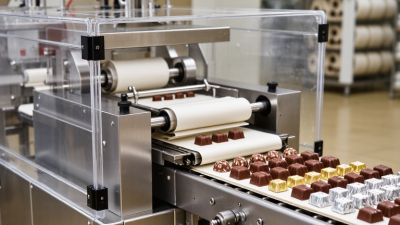
For a ranked shortlist of chocolate bar wrapping machines, compare the seal before comparing speed. Flow-wrap machines form a tube around each bar, then seal the lengthwise fin and both ends. Heat-sealable films suit many products; cold-seal materials can reduce heat exposure on heat-sensitive chocolate. Check the end seals on actual bars, not just an empty film web. Small changes in bar shape or wrapper tension can cause wrinkles or leaks. Fast, but format changes may take time.

Foil and fold-wrap machines suit bars that need a close, traditional finish. Foil wrapping typically folds material around the bar and secures overlapping edges; the exact method depends on the wrapper and machine. Fold-wrap equipment makes neat end folds, often using foil, paper, or a laminate. It can handle solid bars well, but unusually soft coatings may mark during handling. Watch the corners. A sharp fold looks tidy, yet brittle or thick wrapping can split there. Confirm permitted film widths, bar dimensions, and changeover steps with the machine supplier, then run samples at production speed. I would not choose on rated output alone; real scrap rates can be less tidy than a brochure suggests.

Assess Rated Bars per Minute, Changeover Time, and OEE: Availability × Performance × Quality

Top 10 Chocolate Bar Wrapping Machines to Buy

Rated bars per minute gives a useful starting point, but it rarely tells the whole story. A machine listed at 500 bars per minute may run slower with delicate coatings, uneven bar spacing, or frequent film adjustments. Compare the rated speed with sustained output during a representative production run. That gap matters. Record good bars produced per minute, not just bars passing the infeed.

Changeover time can quietly reduce daily capacity. Measure the full interval: from the last good bar of one format to the first consistently wrapped bar of the next. Include film replacement, guide adjustments, cleaning, and rejected startup pieces. Then assess OEE: availability × performance × quality. Availability captures stoppages; performance compares actual speed with the planned rate; quality counts acceptable bars. OEE is informative, but its value depends on consistent measurement. A short trial may miss jams that appear later. That is easy to overlook.

Tips: Ask suppliers to run your bar sizes and wrapping material, then log output, downtime, and rejects. Repeat the test after a changeover. Keep a simple shift sheet; imperfect data is still better than a speed claim alone.

Verify Food-Contact Materials Against EU Regulations 1935/2004 and 10/2011

When comparing the top 10 chocolate bar wrapping machines, treat food-contact compliance as a buying criterion, not a folder supplied after installation. Regulation (EC) No 1935/2004 requires food-contact materials not to transfer substances at levels that could endanger health or unacceptably alter food. Regulation (EU) No 10/2011 sets specific requirements for plastic materials and articles; it does not cover every machine component. Check which belts, guides, seals, coatings, and wrapper layers may contact chocolate during normal use.

Details matter. EFSA’s 2023 scientific reassessment set bisphenol A’s tolerable daily intake at 0.2 nanograms per kilogram of body weight per day, down from 4 micrograms. That change is a reminder to review older material declarations. Request current Declarations of Compliance and supporting migration-test reports. Test conditions should reflect fatty chocolate, contact time, and line temperature. A generic certificate may not match your film or operating settings. I would also check batch traceability and change-control procedures; paperwork can look complete and still leave gaps.

Tips: Map product-contact points before ordering. Request documents for plastic parts and wrapper film, then confirm test conditions with your compliance specialist. Keep first-run samples.

Rank the Top 10 by Hygiene Design, ISO 22000:2018 Fit, and Total Cost of Ownership

A credible Top 10 ranking should score hygiene design, ISO 22000:2018 fit, and total cost of ownership—not purchase price alone. Check open-frame access, tool-free removal of product-contact parts, guarded drives, and smooth surfaces around the chocolate path. Ask how quickly operators can inspect crumbs beneath the infeed and clean the sealing area. ISO 22000:2018 sets food-safety management requirements; it does not certify a machine by itself. Buyers should verify how each design supports their own hazard controls and prerequisite programmes. Small distinction. Big consequence.

Cost comparisons should include changeover time, spare parts, energy use, cleaning labor, and expected downtime across the planned service life. The FAO’s 2019 State of Food and Agriculture estimated that 14% of food is lost between harvest and retail. That figure is not specific to chocolate or wrapping equipment, but it underscores why damaged packs and avoidable stoppages deserve attention. UNEP’s Food Waste Index Report 2024 estimated 1.05 billion tonnes of food waste in 2022; packaging alone cannot solve this, yet reliable sealing helps protect saleable product.

For each candidate, request documented washdown limits, material specifications, cleaning instructions, and maintenance intervals. Then test the wrapper with the actual bar size and film, including a real changeover and post-clean inspection. Score evidence, not glossy claims. A lower-cost machine may rank higher if sanitation is practical and parts are available. Still, predicted maintenance costs are imperfect; local service quality can upset the spreadsheet.

Top 10 Chocolate Bar Wrapping Machines to Buy — Ranked by Hygiene Design, ISO 22000:2018 Fit, and Total Cost of Ownership

Indicative comparison of common machine configurations for individually wrapping solid chocolate bars. Scores are comparative planning assessments, not test results or certification claims.
Rank Machine configuration Typical wrapping format Hygiene design
(1–5)
ISO 22000:2018 fit
(1–5)
TCO favorability
(1–5)
Practical buying considerations
1 Stainless-steel servo horizontal flow wrapper with hygienic product-zone design Flow wrap; heat-sealed film 5 5 3 Strong option where accessible product-contact areas, documented cleaning procedures, and controlled seal settings are priorities. Confirm the actual washdown rating and approved cleaning method for the selected build.
2 Tool-less-access flow wrapper with stainless product-contact components Flow wrap; heat-sealed film 5 4 4 Removable or tool-less guards can make inspection and routine cleaning easier. Check that parts can be reinstalled correctly and that product-contact materials are documented.
3 Servo-driven fin-seal wrapper with recipe and seal-parameter controls Fin-seal flow wrap 4 5 4 Recipe control and recorded operating parameters can support process monitoring and traceable changeovers. Verify which settings and alarms are actually logged by the machine controls.
4 Compact intermittent-motion chocolate bar flow wrapper Flow wrap; short or moderate production runs 4 4 5 Often a practical choice for smaller output or frequent format changes. Compare changeover time, spare-part availability, film waste during startup, and cleaning access.
5 Continuous-motion flow wrapper with automatic infeed and product spacing High-throughput flow wrap 4 4 3 Automated spacing can reduce manual handling and improve feed consistency. Assess guarding, access around the infeed, and the additional maintenance needs of conveyors and sensors.
6 Fold-wrap machine with hygienic-access product handling Folded foil or paper-based wrap 4 4 3 Suitable for products and presentations designed for folded wrapping. Check material compatibility, fold consistency, cleaning access around folding mechanisms, and availability of format parts.
7 Cold-seal flow wrapper configured for compatible coated or cold-seal film Flow wrap; cold-seal film 4 4 3 Can avoid heat-sealing at the package seam when the film system is designed for cold sealing. Validate film availability, seal integrity, handling requirements, and storage conditions with the packaging supplier.
8 Flow wrapper with integrated checkweigher and reject interface Flow wrap with in-line weight control 4 5 2 Integrated inspection can support monitoring and documented responses to out-of-spec product. Include calibration, verification, reject-bin control, and maintenance requirements in the operating plan.
9 Gas-flush-compatible flow wrapper with controlled-gas interface Flow wrap with optional modified-atmosphere packaging 3 4 2 Consider only where the product and shelf-life strategy require gas flushing. The complete packaging process needs validated gas controls, seal checks, and suitable monitoring; a machine interface alone does not ensure compliance.
10 Entry-level flow wrapper with basic manual adjustment Flow wrap; lower-volume production 3 3 4 Lower purchase complexity may suit straightforward operations, but manual settings can increase dependence on operator training and documented checks. Confirm cleaning access, guarding, and repeatability before purchase.

Scoring guide: Hygiene design and ISO 22000:2018 fit are scored from 1 (limited) to 5 (strong). ISO 22000:2018 fit indicates how readily typical machine features may support a site's food-safety management system; it does not mean the machine is ISO-certified. TCO favorability is also scored from 1 (less favorable) to 5 (more favorable) and reflects relative considerations such as cleaning and changeover effort, utilities, maintenance, consumables, and likely film waste—not a quoted lifecycle cost. Actual suitability and total cost depend on the machine specification, product, packaging material, operating schedule, local service, and site risk assessment.