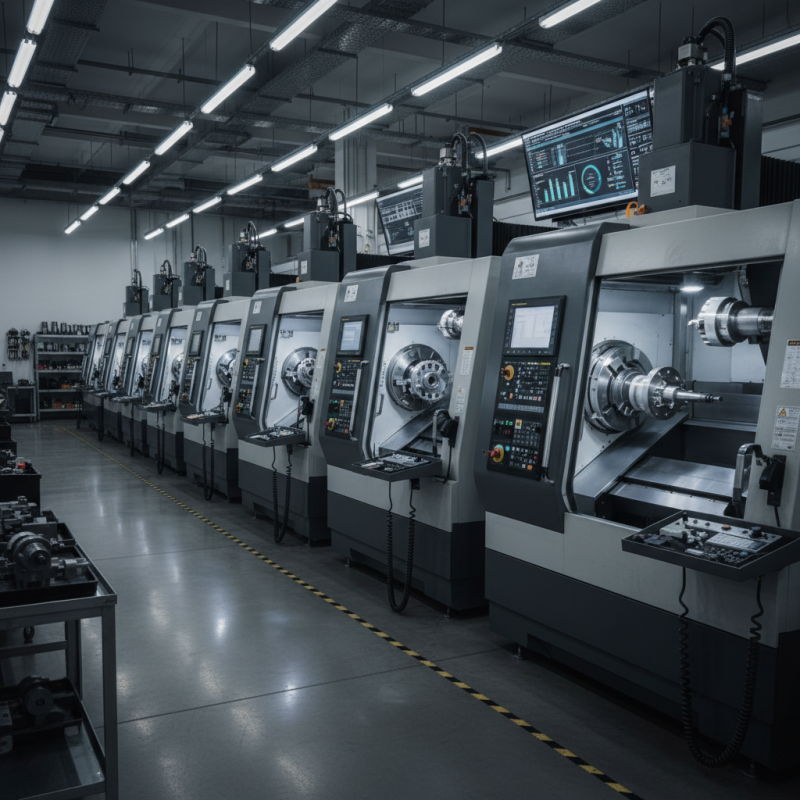
Top 10 CNC Turning Centers You Should Consider for Efficiency?
In the fast-evolving world of manufacturing, efficiency is key. A CNC Turning Center can significantly enhance production capabilities. These machines produce precision parts with speed and accuracy, making them essential for many industries.
Investing in the right CNC Turning Center is crucial. It can lead to improved operational output and reduced waste. However, the selection process can be overwhelming. Different models offer various features, and some may fit your needs better than others. It’s vital to assess capabilities and limitations.
Some centers may excel in performance but lack versatility. Others might be user-friendly yet compromise on speed. Understanding these nuances can lead to better decisions. Efficiency gained from a CNC Turning Center ultimately reflects on the bottom line. Choosing wisely is an investment in future success.
Key Features to Look for in CNC Turning Centers
When selecting a CNC turning center, key features greatly impact efficiency. One crucial aspect is the spindle speed. Higher speeds enable quicker processing times. Reduced cycle times are essential for improving overall productivity. An efficient spindle can significantly affect operations.
Another vital feature is the tool holder system. A well-designed system enhances tool change speed. This ensures minimal downtime and maximizes output. Additionally, look for a machine with multiple tool stations. This helps in managing complex projects more effectively.
Consider the control system as well. A user-friendly interface can make programming easier. An intuitive design reduces training time for operators. However, it's important to note that advanced controls sometimes come with complexities. It’s essential to evaluate if the benefits outweigh the learning curve. Each feature should align with your specific needs, leading to better efficiency in your operations.
Top Brands Leading the CNC Turning Center Market
The CNC turning center market is highly competitive. Various brands dominate, each offering unique features. Efficiency and precision are critical in choosing the right machine. According to industry reports, nearly 70% of manufacturers prioritize these attributes when investing in CNC technology.
Some brands focus on automation and advanced control systems. These features can significantly reduce cycle times. Yet, not all machines offer this level of sophistication, leading to potential inefficiencies. Notably, a significant percentage of users report challenges in adapting to new technologies. This suggests a gap between innovation and user familiarity. A recent survey indicated that 40% of machinists felt overwhelmed by advanced interfaces.
Performance metrics are essential in this industry. Studies show that turning centers with cutting-edge software can enhance productivity by up to 30%. However, reliance on technology without adequate training can backfire. Many operators find themselves unable to fully harness their machines' capabilities. Industry experts argue for ongoing training and support from manufacturers to bridge this gap. This could lead to improved outcomes and a more competent workforce.
Comparison of Performance and Efficiency in CNC Turning Machines
When evaluating CNC turning machines, performance and efficiency stand out. Many machines promise high precision and speed, but not all deliver. Look for a balance between cutting speed and accuracy. A machine that cuts quickly but lacks precision can lead to waste and rework. Efficiency hinges on how well the machine integrates into your workflow.
Consider cycle times and tool changes. Machines with automatic tool changers can reduce downtime. However, some setups might be complicated. It requires careful planning to ensure minimal disruption. An efficient machine needs to adapt to various materials and designs. Flexibility is key; not all jobs are the same.
While performance metrics are important, it’s essential to reflect on the machine's maintenance needs. High-performance models may demand more frequent servicing. This can affect overall efficiency if not properly managed. Investing in training for operators also pays off. Well-trained staff can maximize the machine's capabilities. Ultimately, balancing various factors leads to improved efficiency in CNC turning operations.
Performance Comparison of Top 10 CNC Turning Centers
Maintenance Tips for Maximizing CNC Turning Center Lifespan
CNC turning centers are vital for precision machining. Maintaining them can increase productivity. Here are some effective maintenance tips to extend their lifespan.
Regularly clean your CNC machine. Dust and debris can affect performance. Simple cleaning routines can prevent costly repairs. Schedule this task weekly. Check coolant levels and filters. Dirty coolant can damage components. Replacing coolant regularly is essential.
Make sure to inspect moving parts. Lubrication prevents wear. Lubricate guided rails and screws often. This reduces friction and enhances accuracy. Listen for unusual noises. They might indicate a problem. Address issues immediately to avoid bigger troubles.
Keep software updated. Outdated software can lead to errors. Regular updates ensure optimal operation. Train operators well. Skillful operators are crucial for avoiding mistakes. Encourage them to share their experiences. Those insights can highlight areas for improvement.
Cost Considerations When Investing in CNC Turning Centers
When considering investment in CNC turning centers, cost is a critical factor. Initial expenses can be substantial, including the machine itself, tooling, and fixtures. It's easy to underestimate ongoing costs, such as maintenance and training. Some companies find hidden costs in downtime or unexpected repairs, which can disrupt productivity.
Efficiency is paramount. However, not every machine is right for every application. Choosing the wrong model may lead to overpaying or underutilizing capabilities. An evaluation of operational needs helps clarify these choices. For instance, high-speed options may seem attractive, but they come with higher energy costs. This places more weight on long-term budgeting.
Another aspect often overlooked is financing options. Leasing might seem appealing, but it can add to expenditures if machines are not fully utilized. Some businesses discover that ownership is more cost-effective over time. Each approach requires careful reflection on production goals and cash flow. Balancing these elements can influence overall success in CNC projects.