Top 10 Artificial Lift Technologies You Should Know About?
Artificial Lift Technologies play a crucial role in oil extraction. They enhance production rates, especially in mature fields. Understanding these technologies is vital for industry professionals.
One must recognize the challenges associated with artificial lift. Each method has its pros and cons. Choosing the right technology can be complex. For instance, electrical submersible pumps (ESPs) can improve flow rates effectively. However, their installation can be costly and time-consuming.
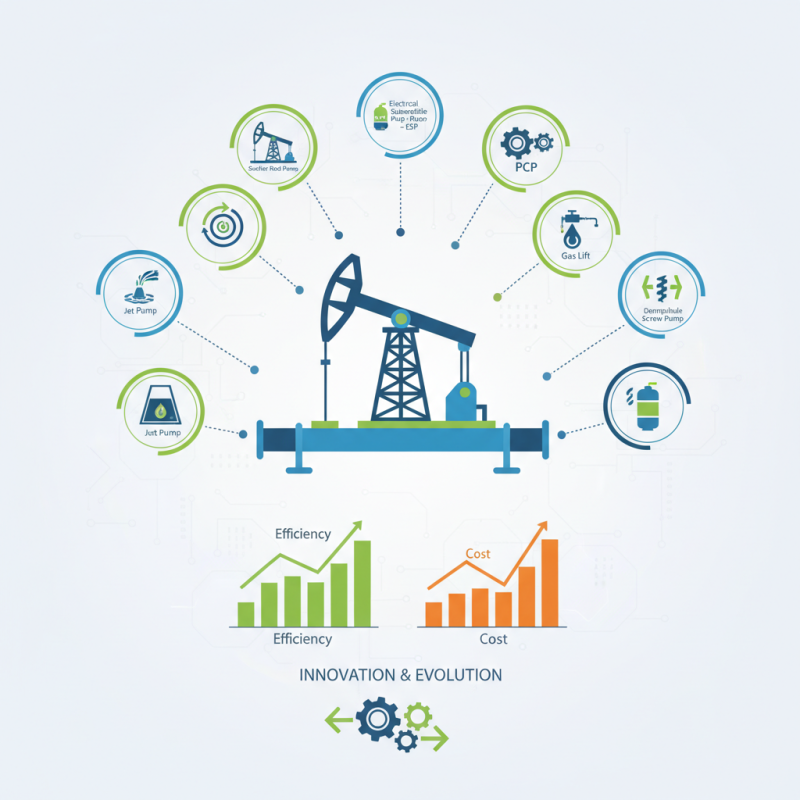
As we explore the top 10 artificial lift technologies, it becomes clear that innovation is ongoing. Technology is evolving rapidly, and what works today may need reevaluation tomorrow. The interplay of efficiency and cost will always be a consideration. Understanding these dynamics can lead to better decision-making in the field.
Overview of Artificial Lift Technologies in Oil and Gas Industry
Artificial lift technologies play a crucial role in the oil and gas industry. These methods are essential for enhancing production rates from wells. According to a recent report by the International Energy Agency (IEA), approximately 80% of oil wells require some form of artificial lift to maintain efficient output levels.
There are various types of Artificial Lift Systems, includingsucker rod pumps, electric submersible pumps, and gas lift technologies. Each system has its unique advantages and challenges. For instance, while electric submersible pumps offer high efficiency, they can be costly to install and maintain. In contrast, gas lift systems might perform well in certain conditions but are less effective in wells with low pressure.
Energy consumption also poses a significant concern, with some technologies drawing excessively from power sources, reducing overall profitability. As technology advances, so do the complexities of implementation. The challenge lies in selecting the appropriate system for specific well conditions. Inexperienced operators may choose systems that do not fit their wells, leading to inefficiencies.
Innovations like smart technology and data analytics show promise. However, they can also introduce new levels of complexity that require skilled personnel. Companies must weigh the benefits against potential drawbacks to make informed choices.
Types of Artificial Lift Systems: An In-Depth Exploration
Artificial lift systems play a crucial role in the oil and gas industry. They help extract hydrocarbons from wells that are not able to flow freely due to pressure constraints. Different types of artificial lift technologies exist, each with its unique advantages and challenges.
One common method is using beam pumps. These mechanical devices, resembling a horse and a rod system, create suction to lift the fluid. While effective in many applications, they can wear out and require regular maintenance. In contrast, progressing cavity pumps offer a continuous flow and are less prone to failure. However, they might struggle with handling high-viscosity fluids.
Gas lift is another popular method, using gas injected into the fluid column. This method can significantly increase production rates but may face issues in well control. Each system has its merits, yet none is without flaws. It’s essential to evaluate the specific well conditions and fluids to select the appropriate technology, as each choice carries implications for efficiency and costs. Understanding these systems leads to better decision-making in the field.
Top 10 Artificial Lift Technologies You Should Know About
Benefits and Challenges of Using Artificial Lift Technologies
Artificial lift technologies play a crucial role in enhancing oil recovery. These systems help bring hydrocarbons to the surface more efficiently. However, they come with both benefits and challenges that users must navigate.
One key benefit is increased production rates. These technologies can significantly boost well performance. They optimize flow, especially in mature fields. However, this often requires substantial initial investment. Maintenance can also be complex, leading to downtime. Operators must assess their readiness for these challenges.
Tips for implementation: Always consider the specific needs of your well. Customizing the artificial lift system is crucial. Monitoring is essential; neglecting this can lead to failures. Regular inspections help avoid unexpected issues. Get familiar with the operational limits of the technology you choose.
Many operators overlook training for their team. Proper training can reduce errors and enhance safety. Remember that adopting new technology is a learning process. Continuous education is vital for long-term success. This mindset helps rural areas and smaller operators thrive. Balancing benefits and challenges will guide better decision-making.
Recent Innovations in Artificial Lift Technology
Recent innovations in artificial lift technology have been pivotal in enhancing oil and gas production. Traditional methods are becoming outdated, making room for advanced solutions. For instance, in a recent report, it was noted that electric submersible pumps (ESPs) are now favored for their efficiency, reportedly increasing production rates by up to 20% in various fields.
Furthermore, gas lift systems have seen significant improvements. New designs allow for more precise control over production rates. This flexibility helps operators adapt to varying reservoir conditions. According to industry data, the adoption of advanced gas lift techniques has led to a 15% reduction in operational costs for some companies. However, these systems require ongoing maintenance and monitoring—an area that can be improved.
Moreover, progress in artificial intelligence is reshaping performance monitoring. Smart sensors enable real-time data analysis. They help identify inefficiencies promptly. Despite these remarkable advancements, challenges remain in integrating new technologies seamlessly into existing infrastructures. The balance between innovation and practicality is a reflection point for many operators navigating these transitions.
Future Trends and Developments in Artificial Lift Solutions
Artificial lift technologies are vital for optimizing oil and gas production. As the industry evolves, new trends are surfacing. Enhanced efficiency, lower costs, and environmental sustainability are key focuses. Technologies like electric submersible pumps and gas lift systems are advancing rapidly. They are becoming smarter and more adaptable.
Implementing real-time monitoring can significantly improve performance. Operators can make data-driven decisions quickly. This leads to better management of reservoirs. Consistent assessments of lift effectiveness can also uncover hidden issues. Sometimes, the simplest technology can produce the best results.
Tips: Embrace innovation but don’t overlook traditional methods. They still have a role in today’s operations. Also, invest in training for your team. Skills in new technologies will enhance overall productivity. As we look forward, adaptability will be crucial for success. Stay curious and keep learning, as the landscape is ever-changing.