What is Rolling Packaging Film and its Applications in Industry?
Rolling Packaging Film is becoming increasingly important in various industries. This versatile material provides a range of benefits for manufacturers and consumers alike. It plays a crucial role in protecting products during storage and transportation.
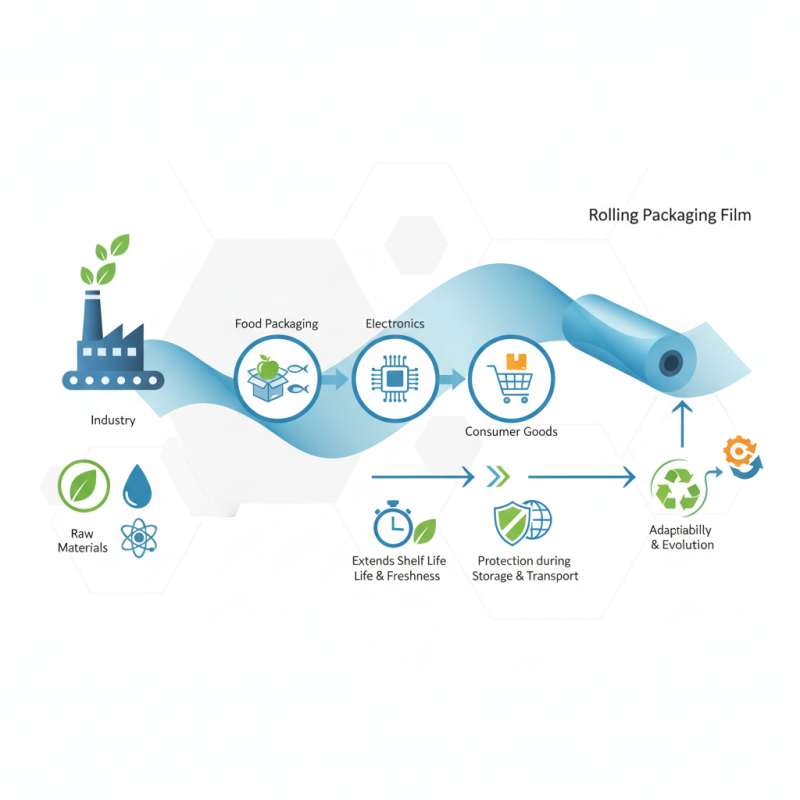
Companies use Rolling Packaging Film for its lightweight and durable nature. It is often chosen for food packaging, electronics, and consumer goods. The film helps extend shelf life and maintain freshness in perishable items. Its adaptability allows for customization in size and design, catering to diverse needs.
However, challenges exist in the industry. Concerns about sustainability and environmental impact are growing. Many companies are reflecting on the materials used in their packaging processes. They are seeking eco-friendly alternatives to reduce plastic waste. As industries evolve, the role of Rolling Packaging Film will continue to adapt.
What is Rolling Packaging Film?
Rolling packaging film is a versatile material widely used in various industries. This film is typically produced in large rolls, allowing for efficient packaging of products. It is often made from materials like polyethylene and polypropylene. These films are favored for their strength, durability, and moisture resistance. According to a recent industry report, the global demand for rolling packaging film is projected to reach 12 million tons by 2025.
In addition to food packaging, rolling packaging film finds applications in pharmaceuticals, electronics, and consumer goods. The food industry alone accounts for nearly 50% of the total consumption of this film. Products such as meats, snacks, and ready-to-eat meals often utilize this kind of packaging. However, challenges arise, such as the environmental impact of plastic waste. Many companies struggle to balance efficiency and sustainability.
Innovation is key in addressing these issues. Some manufacturers are exploring biodegradable materials and recyclable films. Yet, these alternatives often present performance trade-offs. For instance, biodegradable films may not offer the same barrier properties as traditional films. This creates a need for ongoing research and development to enhance their efficacy. Adopting stronger, eco-friendly options remains a crucial goal for the industry.
What is Rolling Packaging Film and its Applications in Industry?
| Application | Material Type | Benefits | Industry Sector |
| Food Packaging | Polyethylene (PE) | Moisture Barrier, Freshness Preservation | Food and Beverage |
| Medical Supplies | Polyvinyl Chloride (PVC) | Sterilization, Protection Against Contamination | Healthcare |
| Electronics | Polyester (PET) | Anti-Static, Durability | Electronics Manufacturing |
| Automotive Parts | Polypropylene (PP) | Lightweight, Chemical Resistance | Automotive |
| Cosmetics | Biaxially Oriented Polypropylene (BOPP) | Transparency, High-Quality Printability | Beauty and Personal Care |
Key Materials Used in Rolling Packaging Films
Rolling packaging films are essential in various industries. These films are made from different materials, each serving specific purposes. The primary materials used include polyethylene, polypropylene, and biodegradable options.
Polyethylene, a common choice, offers excellent moisture resistance. It’s lightweight and flexible, making it ideal for food packaging. However, it can be less durable under high temperatures. Polypropylene is another material that provides strength and clarity. It withstands higher temperatures but may not be as eco-friendly.
Biodegradable films are gaining attention. They address environmental concerns by breaking down naturally. Manufacturers must carefully balance functionality and sustainability. Some biodegradable options lack the durability of traditional films. Hence, ongoing research is necessary to improve their performance. Finding the right material can be challenging, yet it is crucial for effective packaging solutions.
Common Applications of Rolling Packaging Films in Various Industries
Rolling packaging films are widely used across various industries. These films are designed for efficiency and protection. They come in different materials, including plastic and biodegradable options, catering to diverse needs.
In the food industry, rolling packaging films preserve freshness. They keep products safe from contaminants and extend shelf life. Many snacks, such as chips and bars, rely on these films. They need to balance flexibility and strength. Finding the right thickness is crucial. Too thick can waste materials; too thin may compromise protection.
The pharmaceutical sector also benefits significantly. Medicines require secure packaging to maintain potency. Rolling films ensure dosage accuracy and safety. However, some films may not be eco-friendly, raising concerns. The challenge lies in creating sustainable options that meet safety standards.
Advantages of Using Rolling Packaging Films
Rolling packaging film has become essential in various industries due to its numerous advantages. It offers superior protection for products. These films are lightweight yet strong. This helps reduce shipping costs while ensuring safety. In addition, rolling films are versatile. They cater to different products and packaging requirements. Whether it’s food, electronics, or textiles, these films adapt well.
One notable benefit is the barrier properties. Rolling packaging films provide excellent moisture and oxygen resistance. This helps prolong the shelf life of products. It also prevents contamination. Companies can save on waste and minimize returns. However, improper material selection could lead to inefficiencies. Not all films suit every application.
**Tip:** Always test the film with actual products before large-scale use. This ensures it meets specific needs. Also, consider the environmental impact of the material. Sustainable options are becoming more popular.
Another advantage is the ease of use. Rolling films often come in user-friendly formats. This speeds up packaging processes significantly. However, companies sometimes overlook machine compatibility. Using the wrong equipment can cause delays and waste.
**Tip:** Always ensure that the packaging machinery is compatible with the chosen film. Regular checks can prevent unexpected breakdowns.
Future Trends and Innovations in Rolling Packaging Film Technology
The rolling packaging film is evolving rapidly, with new innovations emerging. One exciting trend is the development of biodegradable materials. These films can reduce plastic waste. Industry leaders are experimenting with plant-based polymers and additives. This step could significantly lessen environmental impact.
Smart packaging is another fascinating area. Films integrated with sensors can monitor freshness. They communicate with consumers in real-time. Imagine a package that changes color when the product spoils. This innovation could enhance food safety. However, the integration of technology into packaging raises concerns. Are these systems reliable? Can we trust them not to harm the environment?
Another advancement involves improving the barrier properties of rolling films. Enhanced protection against moisture and oxygen prolongs shelf life. Nevertheless, the balance between functionality and sustainability remains a challenge. Films must not only perform well but also be eco-friendly. The industry must rethink traditional materials. There’s much to consider as we innovate and adapt to these future trends.
Applications of Rolling Packaging Film in Various Industries