What is a Nonwoven Laminating Machine and How Does It Work?
The nonwoven laminating machine plays a crucial role in the textile and packaging industries. According to a recent report by Smithers Pira, the global market for nonwoven fabrics is expected to reach $50 billion by 2026. This growth emphasizes the importance of advanced technologies like laminating machines. Industry expert Dr. Jane Liu states, "The innovation in nonwoven laminating technology drives efficiency and sustainability."
Nonwoven laminating machines integrate layers of nonwoven materials to improve performance and durability. They are used in various applications, such as hygiene products and construction materials. However, the complexity of these machines sometimes leads to inefficiencies. Industry professionals need to continuously evaluate and optimize their processes and equipment.
Despite the significant advancements, challenges persist. Many companies struggle with achieving consistent quality and minimizing waste. Continuous training and adaptation to new technologies are essential. As the market expands, the role of nonwoven laminating machines becomes even more vital, demanding attention and expertise from all stakeholders involved.
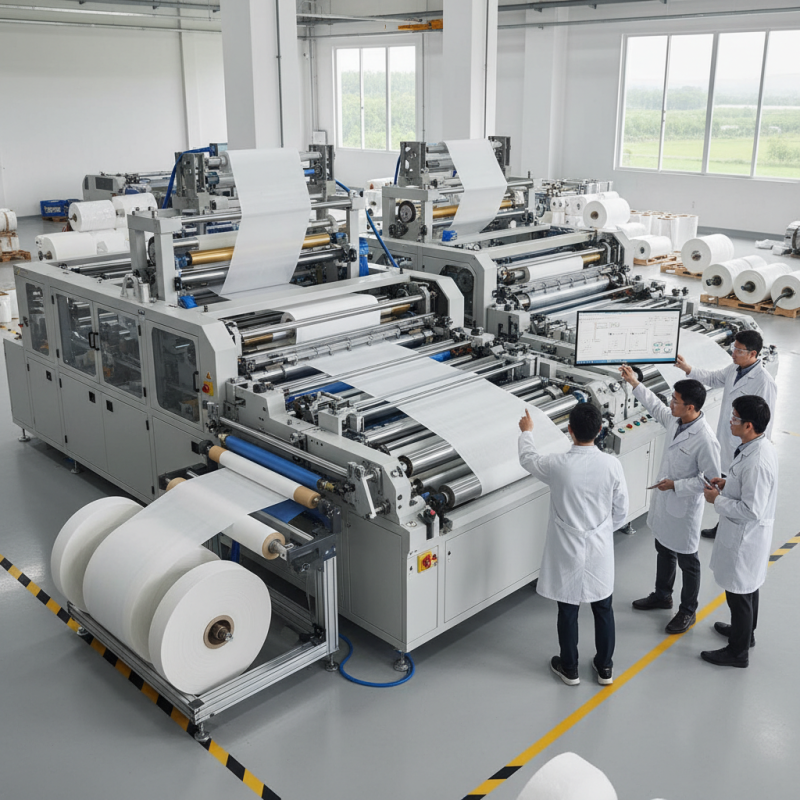
Definition of Nonwoven Laminating Machine
A nonwoven laminating machine is an essential device for creating composite materials. These machines bond layers of nonwoven fabrics using heat, pressure, or adhesive. The result is a more functional and durable material, ideal for various applications.
These machines typically incorporate a feeding system, rollers, and a laminating section. As the nonwoven fabrics pass through the machine, they undergo compression and heat treatment, which enhances their properties. The process is efficient, yet can be tricky. The temperature and pressure settings require careful adjustment. An improper setting may lead to material damage or ineffective bonding.
Tips: Regularly check the machine’s calibration. It ensures optimal performance. Monitor the fabric feed speed, too; too fast can lead to misalignment. Remember, even small adjustments can significantly affect the outcome. Understanding these variables is key to achieving high-quality laminated products.
What is a Nonwoven Laminating Machine and How Does It Work?
| Feature | Description |
| Machine Type | Nonwoven Laminating Machine |
| Main Function | To laminate nonwoven fabrics with other materials |
| Common Applications | Medical products, hygiene products, filters, and protective clothing |
| Key Components | Heating units, rollers, and feeding mechanisms |
| Laminating Techniques | Hot melt, adhesive bonding, and ultrasonic welding |
| Advantages | Increased strength, durability, and versatility of end products |
| Maintenance | Regular checks on heating elements and lubrication of moving parts |
| Environmental Considerations | Use of eco-friendly adhesives and energy-efficient operation |
Key Components of Nonwoven Laminating Machines
Nonwoven laminating machines play a vital role in various industries. They combine layers of nonwoven fabrics to create multifunctional materials. This process is essential in sectors like medical, hygiene, and automotive. The machines primarily consist of several key components that facilitate this intricate operation.
First, the feeding system is crucial. It ensures a steady supply of materials, allowing for consistent production. The laminating rollers apply heat and pressure to bond the layers together. This process improves durability and adds unique properties. According to industry reports, the global nonwoven fabric market is projected to grow at a CAGR of 6% from 2020 to 2025. This growth emphasizes the importance of reliable machines.
Another essential component is the cooling system. It helps stabilize the laminated product after bonding. An efficient cooling process prevents any deformation. While these components are important, challenges remain. For instance, ensuring uniform application of adhesive can be tricky. Manufacturers must continuously assess and refine their techniques to meet quality standards.
How Nonwoven Laminating Machines Operate
Nonwoven laminating machines play a crucial role in various industries. They combine layers of nonwoven materials, enhancing durability and functionality. The process involves applying adhesive to bond different layers. This creates a strong, cohesive material suitable for many applications, like medical supplies or construction.
Understanding how these machines operate is key. The process starts with feeding the nonwoven fabric into the machine. Rollers and heat apply consistent pressure. This is where the adhesive is activated. It's fascinating how different temperatures can affect the adhesive strength. Operators must monitor settings carefully to achieve the desired results.
Challenges often arise during production. Misalignment can cause defects in the final product. Additionally, variations in material quality may affect adhesion. Regular maintenance of machines is essential to avoid these issues. Despite modern technology, human oversight remains vital for optimal performance. It's an ongoing learning process for operators and engineers alike.
Applications of Nonwoven Laminating Technology
Nonwoven laminating technology is widely used in various industries. It enhances the properties of nonwoven materials, making them suitable for many applications. Typically, this technology combines layers of fabric, often creating a stronger, more durable end product. It is common in hygiene products, automotive interiors, and even in construction materials.
In the hygiene sector, nonwoven laminates are important. They are used in products like diapers and feminine hygiene items. The laminate adds softness and strength, increasing comfort for users. In automotive applications, this technology helps reduce noise and improve interiors. Nonwoven laminates are lightweight yet provide excellent insulation.
Tips: When exploring nonwoven laminating technology, consider the materials used. The selection impacts the final product's quality. Always experiment with different layers to discover optimal combinations. Regularly assess the machine settings, as small adjustments can yield significant improvements.
In construction, nonwoven laminates are gaining traction. They are used for roofing and insulation. This helps in creating energy-efficient buildings. However, not every laminate performs equally well. Testing is crucial to ensure durability and weather resistance. Keep in mind that innovation is ongoing; staying updated is key.
Benefits of Using Nonwoven Laminating Machines
Nonwoven laminating machines play a crucial role in the textile and packaging industries. They combine nonwoven fabrics with other materials through heat and pressure. This process creates strong, durable products with enhanced properties. According to a recent industry report, the global market for nonwoven machinery is expected to grow at a rate of 5.2% from 2021 to 2028.
One significant benefit of using nonwoven laminating machines is the versatility they offer. These machines enable manufacturers to create a range of products, from medical gowns to automotive liners. They provide excellent moisture resistance and durability, making them ideal for various applications. Additionally, nonwoven materials can often be lighter than traditional fabrics, which can reduce overall production costs.
Another important aspect is sustainability. Nonwoven laminating helps minimize waste by allowing the use of recycled materials. The flexibility in design can lead to innovative products. However, not every implementation is flawless. Some manufacturers may face challenges with material compatibility, leading to inconsistent quality. Proper training and testing are essential to overcoming these obstacles.