What is Food Grade Packaging and Why is it Important?
Food-Grade Packaging plays a crucial role in protecting our food and ensuring safety. According to a report by Smithers Pira, the global food packaging market is expected to reach $500 billion by 2024. This highlights the growing importance of effective packaging solutions. Expert Sarah Thompson, known for her work in sustainable packaging, once stated, "Safe food packaging is not just a luxury; it's a necessity."
Food-Grade Packaging is designed to meet strict regulatory standards. It helps prevent contamination and extends shelf life. Many consumers are unaware of the complexities involved in food-grade materials. Even small slips in packaging standards can lead to serious consequences, such as foodborne illnesses. The industry must continuously innovate to address these challenges.
In a world where food safety is paramount, food-grade packaging should not be underestimated. As meal kits and fresh produce become more popular, the need for reliable packaging will only increase. With rising consumer awareness, the pressure on manufacturers to deliver safe and effective packaging intensifies. This evolving landscape calls for constant improvement and reflection on current practices.
What is Food Grade Packaging?
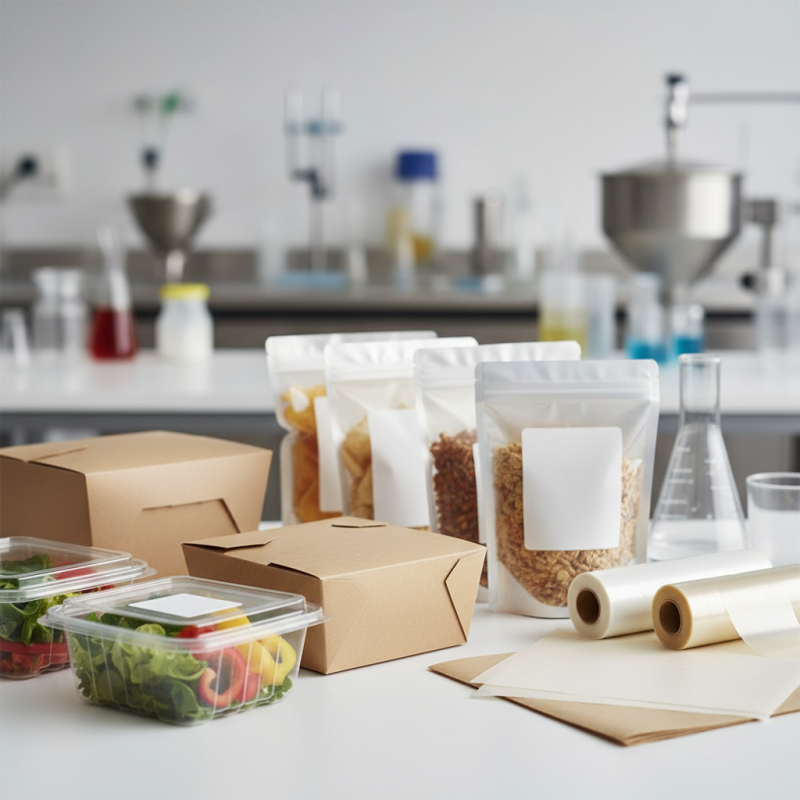
Food grade packaging refers to materials designed specifically for packaging food products. These materials ensure safety and maintain food quality. They prevent contamination and preserve freshness. Common examples include plastic containers, glass jars, and cardboard boxes. Each packaging type has specific characteristics that ensure food safety.
The choice of food grade packaging is crucial. It must resist high temperatures and moisture. Some materials can leach harmful chemicals into food, which is a significant concern. For instance, certain plastics are not safe for hot meals. Additionally, some materials may not be suitable for long storage. Consumers need to be informed when selecting packaging.
The importance of food grade packaging goes beyond safety. It also affects consumer expectations. Packaging plays a role in food appeal. As questions arise about environmental impact, sustainable options are gaining attention. Finding the right balance between safety, functionality, and sustainability is an ongoing challenge. It requires constant evaluation and innovation in the industry.
Types of Food Grade Packaging Materials
Food grade packaging is essential in preserving the integrity of food products. It ensures safety and hygiene. There are various materials used, each with unique properties. Common choices include plastic, glass, and metal.
Plastic is versatile and lightweight. It can be molded into different shapes and sizes. However, some plastics may leach chemicals if not used properly. Glass, on the other hand, is non-reactive and recyclable. It maintains freshness well but can be heavy and breakable. Metal packaging, often seen in cans, is great for preserving food flavor and extending shelf life. Yet, it may face issues with rust or denting.
Many manufacturers also explore biodegradable options. These materials break down naturally, reducing environmental impact. Yet, they may not provide the same durability as traditional options. As the demand for sustainable solutions grows, it’s crucial to balance safety and eco-friendliness. Choosing the right material is vital but can be challenging without clear guidelines.
Health and Safety Standards for Food Grade Packaging
Food grade packaging is crucial for ensuring the safety of consumable products. It must meet strict health and safety standards set by regulatory bodies. These regulations ensure materials are safe and suitable for food contact. Harmful chemicals can leach into food if packaging is substandard. This risk underscores the need for robust standards.
Different materials are used in food grade packaging. Common types include plastics, paper, and metals. Each material has unique properties and should be tested for safety. For instance, some plastics might contain BPA, which is harmful. This can lead to health issues over time. Manufacturers must evaluate their materials carefully. It's not just about appearance; functionality is vital.
Health risks are often overlooked. Consumers trust that packaging is safe. However, transparency is sometimes lacking. This can lead to disillusionment when reports of contamination surface. Education on food grade standards is necessary. Awareness can empower consumers to make informed choices. In a world of increasing food safety concerns, vigilance is key.
The Role of Food Grade Packaging in Food Preservation
Food grade packaging plays a crucial role in preserving food quality and safety. According to the Food and Drug Administration (FDA), materials must meet specific safety criteria to be considered food grade. This means they won’t transfer harmful substances into food. Effective packaging helps extend shelf life and maintain flavor, texture, and nutritional value.
Studies show that nearly 25% of food is wasted due to improper packaging. This highlights the importance of robust packaging solutions. For example, vacuum-sealed bags reduce oxidation, preserving freshness longer. In contrast, damaged or non-grade packaging can lead to spoilage. It’s essential to choose materials that protect food from contamination.
**Tip:** Always check for certifications on packaging materials. This ensures they are safe for your food.
Furthermore, packaging contributes to consumer safety. Proper seals prevent bacteria growth and cross-contamination. However, not all packaging options are eco-friendly, which raises concerns. Consumers are becoming more aware of these issues. Sustainable packaging options are gaining traction but remain a work in progress.
**Tip:** Consider using biodegradable packaging to reduce environmental impact.
Choosing the right food grade packaging is pivotal. The right choice can improve food freshness and minimize waste. Yet, many still overlook its significance. Understanding its role in food preservation will inevitably shape informed decisions for healthier consumption.
Environmental Considerations in Food Grade Packaging Options
Environmental considerations in food grade packaging are critical to both public health and sustainability. According to recent studies, around 30% of global plastic waste comes from food packaging. This is a significant concern as it directly impacts ecosystems and human health. In response, industries are exploring alternative materials that reduce plastic use. Biodegradable and compostable options are gaining traction, showing promising results in waste reduction.
TIPS: Consider using reusable containers to minimize waste. This simple action can dramatically lower your carbon footprint.
The move towards sustainable packaging materials also requires transparency in sourcing. Many consumers now prefer products with clear environmental credentials. For instance, a survey revealed that over 70% of shoppers are willing to pay more for eco-friendly packaging. This shift is prompting companies to rethink their packaging strategies. While it creates opportunities, it also poses challenges. Sourcing sustainable materials can be more expensive and complex.
TIPS: Always check for certifications on packaging. Look for biodegradable or recyclable labels to make informed choices.
Overall, the industry must balance business needs and environmental impact. Innovations in technology can lead to better solutions. However, some solutions are still evolving and may not yet meet all safety standards. The journey toward fully sustainable food grade packaging is ongoing and requires collective effort.