What is Flexible Packaging Film and Its Benefits?
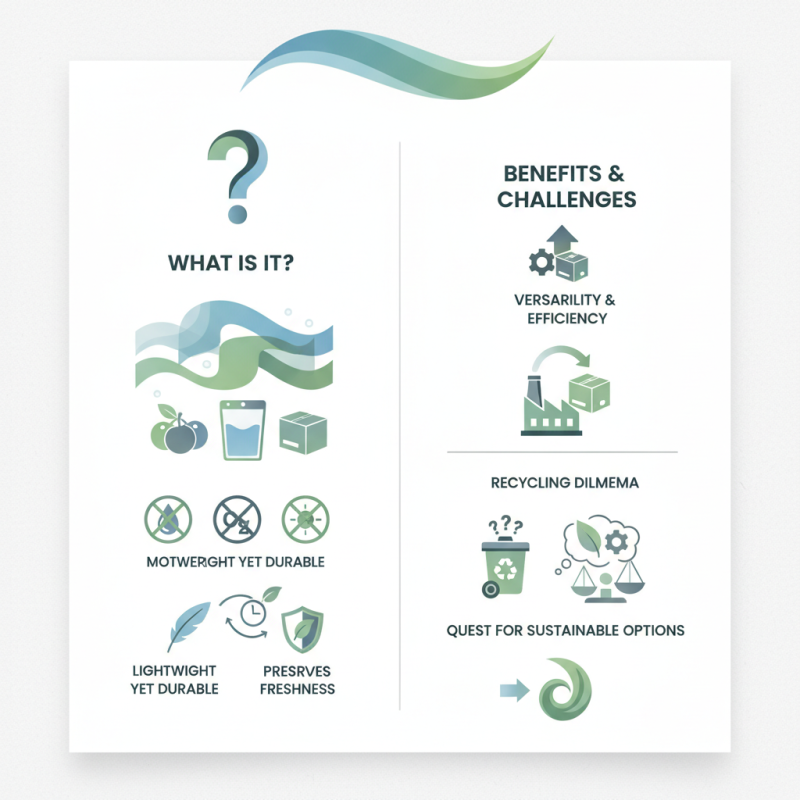
In the world of packaging, "Flexible Packaging Film" has emerged as a transformative solution. Experts like Dr. Emily Chen, a leading figure in the packaging industry, highlight its significance: "Flexible Packaging Film offers unmatched versatility and efficiency." This innovative material not only adapts to various products but also streamlines production processes.
Flexible Packaging Film is lightweight yet durable. It provides a barrier against moisture, oxygen, and light. These features help preserve the freshness of perishable goods. However, the industry faces challenges in recycling these materials. Despite their advantages, some recyclable films are not accepted in local facilities. This creates a dilemma for environmentally-conscious consumers.
Understanding the balance between performance and sustainability is crucial. While Flexible Packaging Film enhances product shelf life, we must consider its environmental impact. The quest for more sustainable options remains ongoing. Striking this balance is essential as we move towards a greener future in packaging.
Definition and Overview of Flexible Packaging Film
Flexible packaging film is a versatile material widely used in various industries. It consists of plastic films, aluminum foil, and paper materials that provide durability and moisture barrier properties. According to a report by Mordor Intelligence, the global flexible packaging market is expected to grow at a rate of 4.4% from 2022 to 2027. This growth can be attributed to the increasing demand for convenience in packaging.
One significant benefit of flexible packaging film is its lightweight nature. Products can minimize shipping costs and reduce environmental impact. Additionally, flexible films allow for innovative designs, which can enhance product visibility on shelves. However, the recycling process for these materials can be challenging. In fact, only 9% of plastic waste is recycled according to the Pew Charitable Trusts.
Flexible packaging also offers excellent barrier properties against moisture, air, and light. This characteristic extends the shelf life of food products, reducing waste. Nevertheless, consumers remain skeptical about its environmental impact. Many prefer traditional packaging despite flexible films’ benefits. Balancing sustainability with convenience remains a pressing challenge in this growing market.
Benefits of Flexible Packaging Film
Types of Flexible Packaging Films Used in Various Industries
Flexible packaging films are versatile materials used across many industries. Each type offers unique benefits tailored for specific needs. For example, food packaging films often use polyethylene or polypropylene. These materials provide excellent moisture barriers, keeping products fresh longer.
In the pharmaceutical sector, flexible films made from nylon are common. They protect medications from light and moisture. This ensures potency and extends shelf life. Additionally, biodegradable films are making their way into cosmetic packaging. They appeal to eco-conscious consumers and reduce environmental impact.
However, not all flexible films are perfect. Some may seal poorly or tear easily. This can lead to product spoilage or damage. Ongoing innovation is crucial to overcome these challenges. Industries must continually explore better materials and improve processes for optimal performance.
Key Benefits of Using Flexible Packaging Films
Flexible packaging films have gained immense popularity in recent years. These films are versatile and can be used for a wide range of products. They excel at preserving freshness and extending the shelf life of foods. This is crucial in today’s fast-paced world, where convenience matters.
One significant benefit is their lightweight nature. Lighter packaging reduces transportation costs. This aspect contributes to lower carbon footprints. Additionally, flexible films require less material, which means less waste. However, manufacturers sometimes prioritize cost savings over quality. This leads to packaging that may not perform well in protecting its contents. A balance must be struck between cost and quality.
Another benefit is their ability to be customized. Flexible films can be printed with vibrant designs. This can enhance product visibility on shelves. However, the reliance on attractive designs may distract from core product value. Businesses must ensure that aesthetics do not overshadow functionality. Selecting the right flexible film is essential for maintaining brand integrity while providing practical benefits.
Environmental Impact and Sustainability of Flexible Packaging
Flexible packaging film is popular for its lightweight and adaptable nature. However, its environmental impact raises questions. While it uses fewer resources than traditional packaging, problems arise with disposal. Most flexible films are not recyclable, leading to increased landfill waste.
Sustainability is a key focus. Innovations in materials can enhance eco-friendliness. Biodegradable options are emerging, yet they often lack the durability of conventional films. Consumers may need to rethink their choices. The convenience of flexible packaging shouldn’t overshadow the long-term effects on our planet.
Recycling programs are limited. Many communities do not accept flexible packaging. Awareness is crucial for change. Engaging with manufacturers to prioritize sustainable practices could lead to better solutions. As we embrace flexible packaging, we must confront its environmental challenges. A balance is needed between convenience and sustainability to protect our future.
Future Trends and Innovations in Flexible Packaging Film Solutions
Flexible packaging film is undergoing significant innovations. The demand for sustainable solutions is driving change. According to a recent market report, the global flexible packaging market is expected to grow at a CAGR of around 4.5% through 2026. This growth reflects the rising focus on eco-friendly materials.
Biodegradable films are becoming more common. These films can reduce waste and promote sustainability. Companies are developing films made from renewable resources. However, challenges remain in ensuring these materials meet performance standards. Many manufacturers are still evaluating the balance between sustainability and functionality. Innovations like smart packaging are making waves. This technology includes sensors that monitor freshness. It provides real-time data to consumers and retailers.
Moreover, the adaptation of advanced printing processes is noteworthy. These processes improve branding and personalization of packaging. Consumers are looking for unique, eye-catching designs. Yet, the cost of advanced technologies can be a barrier for some. Industry experts emphasize the need for continued investment in research and development. The future of flexible packaging film is promising, but it requires a commitment to overcome existing challenges.