Medien zum Download.

Exploring the Sweet Science: How Chocolate Equipment Transforms Cocoa into Culinary Art

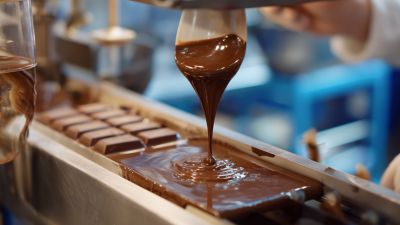
In the realm of culinary arts, few ingredients inspire as much passion and creativity as chocolate. The transformative journey of cocoa into exquisite chocolate confections is a captivating process that relies heavily on the precise and innovative use of Chocolate Equipment. This equipment encompasses a variety of tools and machinery designed to refine, temper, and mold chocolate, enabling artisans to craft delightful treats that tantalize the senses. As we delve into the sweet science behind chocolate making, we will explore how these specialized tools not only enhance the flavor and texture of chocolate but also elevate it into a form of art. From bean to bar, the role of Chocolate Equipment is pivotal, ensuring that each stage of production contributes to the magical experience of enjoying chocolate in its many forms.
Exploring the Sweet Science: How Chocolate Equipment Transforms Cocoa into Culinary Art

The Evolution of Chocolate Equipment: From Bean to Bar

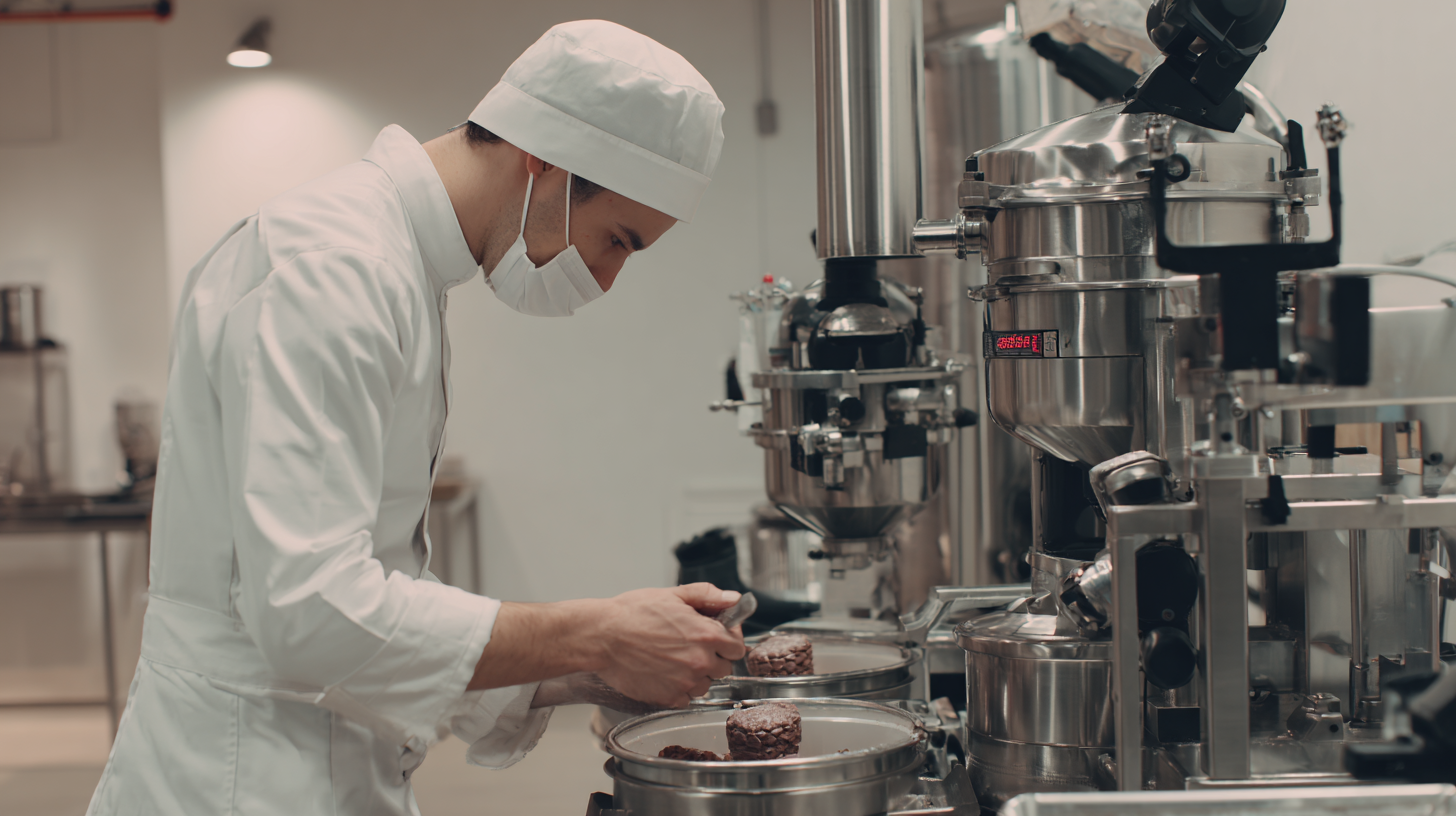
The journey of chocolate from bean to bar has undergone a remarkable transformation over the years, largely due to the evolution of chocolate equipment. Originally, the process was labor-intensive and relied heavily on manual methods, where cocoa beans were roasted and ground by hand. Today, advancements in technology have introduced sophisticated machinery that streamlines these processes, ensuring more consistent and high-quality results. From cacao fermenters to conching machines, each innovation plays a crucial role in enhancing the flavor and texture of chocolate.

Tips: When selecting chocolate equipment, consider the size and scale of your production. For small artisan chocolatiers, investing in a smaller conche or melanger can help retain flavor nuances. For larger operations, more automated systems might yield efficiency while maintaining quality. Additionally, don't overlook the importance of maintenance; regular upkeep of your equipment is essential to prevent contamination and ensure optimal performance.

Moreover, the modern chocolate-making process now incorporates precise temperature controls and timing mechanisms that allow chocolatiers to experiment with flavors and textures in ways previously unimaginable. This evolution not only caters to a growing demand for artisanal and craft chocolate but also encourages innovation within the culinary arts, inspiring new creations that highlight the natural characteristics of cocoa beans.

Key Machines in Chocolate Production: A Breakdown of Essential Tools

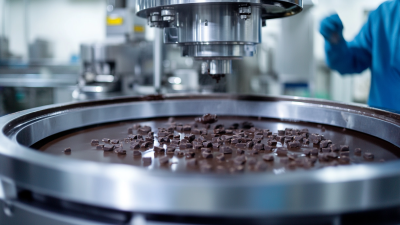
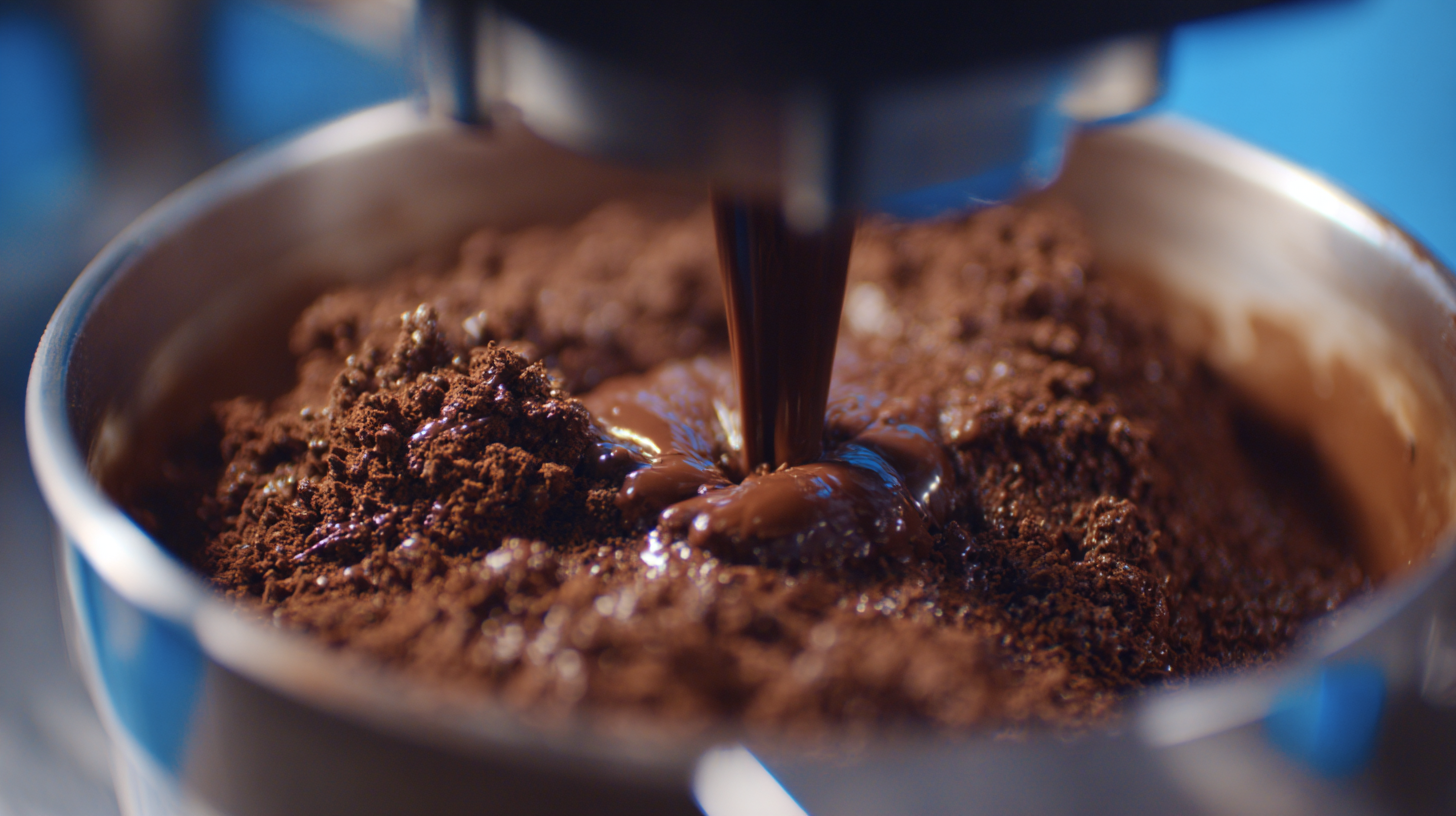
In the world of chocolate production, the journey from cocoa bean to a delightful treat involves a variety of essential machines that play a crucial role in transforming raw materials into culinary masterpieces. The primary equipment includes cocoa grinders, conching machines, and tempering devices. Cocoa grinders break down the nibs from roasted cocoa beans into a smooth paste, while conching machines refine this chocolate mass by aerating it, giving the chocolate its signature texture and flavor profile. Finally, tempering machines ensure that the chocolate is heated and cooled under precise conditions, resulting in a glossy finish and a satisfying snap.

**Tips:** When selecting equipment for chocolate production, consider the scale of your operation. For small batches, a tabletop grinder may suffice, but commercial producers will need larger, more powerful machines. Also, always prioritize quality over cost. Investing in high-quality equipment can significantly enhance the overall chocolate-making process and product quality.

Additionally, maintaining your machines is key to ensuring consistent results. Regular cleaning and calibration will help prevent cross-contamination and ensure that your chocolate remains pure and delicious. By understanding the function of each piece of equipment and maintaining them well, producers can create exceptional chocolate that captivates the senses.

Chocolate Production Equipment Comparison

This chart illustrates the different types of machines used in chocolate production and their average costs. Understanding these machines is essential for anyone looking to delve into the sweet science of chocolate-making.

The Science of Tempering: Techniques for Achieving Perfect Chocolate Texture

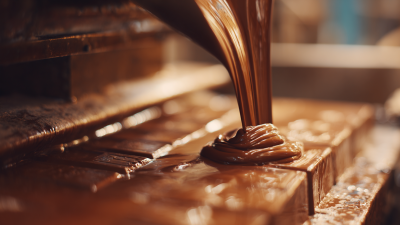
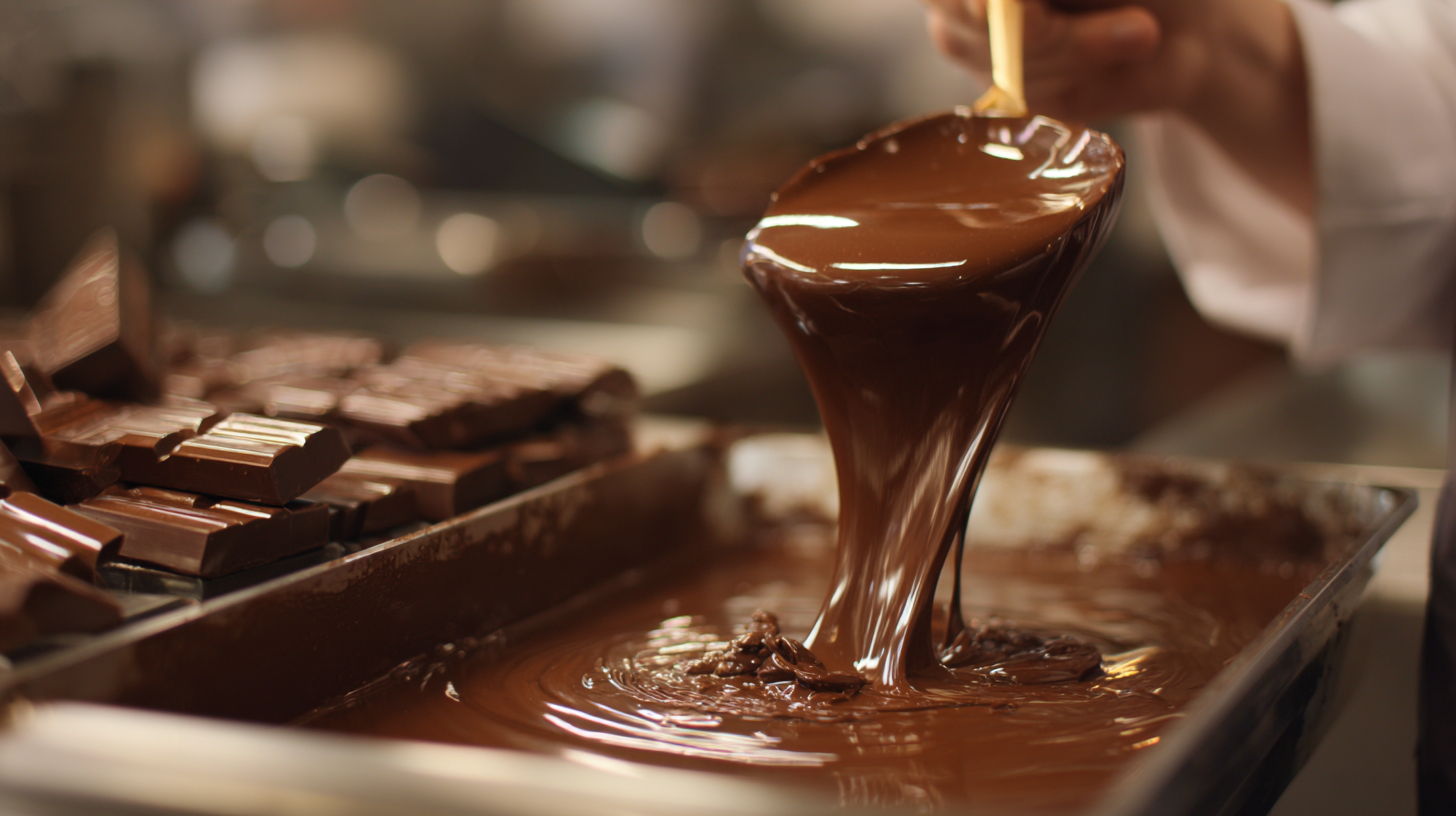
Tempering chocolate is a crucial process that transforms raw cocoa into a velvety and glossy masterpiece. The essence of tempering lies in the controlled crystallization of cocoa butter, which results in a more stable chocolate that melts uniformly at body temperature. The technique typically involves heating the chocolate to a specific temperature, cooling it down, and then reheating it slightly to create the desired crystal structure. By carefully managing these temperatures, chocolatiers ensure that the chocolate has an appealing sheen and a satisfying snap when broken.

Various techniques can be employed for tempering chocolate, including the tabling method, seeding method, and microwave method. The tabling method requires pouring melted chocolate onto a cool marble surface and working it with a spatula until it reaches the proper consistency. This hands-on approach allows for a deep understanding of the chocolate's texture and behavior. On the other hand, the seeding method involves adding tempered chocolate to melted chocolate to induce crystallization, making the process quicker and more accessible for beginners. Each technique offers a unique way to achieve that perfect chocolate texture that is essential for creating exquisite confections and desserts.

Exploring the Sweet Science: How Chocolate Equipment Transforms Cocoa into Culinary Art - The Science of Tempering: Techniques for Achieving Perfect Chocolate Texture

Technique Description Ideal Temperature (°C) Primary Use
Tabling A technique that involves pouring melted chocolate onto a cool marble surface and working it with a spatula. 27-29 Chocolate bars, bonbons
Seed Method Adding small pieces of already tempered chocolate to melted chocolate to lower the temperature and initiate crystallization. 31-32 Coating, dipping
Bain-Marie Melting chocolate over a water bath to control temperature and prevent burning. Low heat, 45-50 for melting Melting, molding
Cold Method Chilling melted chocolate in a refrigerator or a cold room to stabilize it quickly. 10-15 Quick setting, decorative pieces

Innovations in Chocolate Equipment: Enhancing Flavor and Efficiency

The world of chocolate production has been significantly transformed by innovations in equipment designed to enhance both flavor and efficiency. Advanced machinery such as conching machines and tempering units allow for precise control over the chocolate-making process. These innovations enable chocolatiers to refine the texture and taste of their products, ensuring a smoother mouthfeel and a more complex flavor profile. For instance, modern conching machines can minimize particle size while removing undesirable flavors from cocoa beans, resulting in a superior chocolate experience.

Additionally, the use of automated tempering equipment has revolutionized the way chocolate is prepared for molding and coating. Traditional tempering methods required significant skill and time, but with the latest technology, chocolatiers can achieve perfect temper more consistently and swiftly. This efficiency not only streamlines production but also enhances the final product by ensuring that the chocolate has a glossy finish and a satisfying snap when broken. As innovations in chocolate equipment continue to emerge, the potential for creating culinary masterpieces becomes boundless, captivating the interest of confectioners and chocolate lovers alike.

Exploring the Sweet Science: How Chocolate Equipment Transforms Cocoa into Culinary Art

Transforming Cocoa: The Art and Craft of Chocolate Making Techniques

The art and craft of chocolate making techniques are truly a testament to the alchemy involved in transforming raw cocoa beans into delightful confections. The process begins with selecting high-quality cocoa beans, often sourced from renowned regions like West Africa, which produces nearly 70% of the world’s cocoa. According to the International Cocoa Organization, the global cocoa market is valued at over $10 billion, driven not only by demand for chocolate but also by the increasing popularity of artisanal and gourmet chocolate products.

Exploring the Sweet Science: How Chocolate Equipment Transforms Cocoa into Culinary Art

Once the beans are harvested, they undergo fermentation, drying, and roasting - all crucial steps that enhance flavor and quality. Advanced chocolate-making equipment, such as conching machines and tempering machines, play a vital role in achieving the desired texture and taste. Recent reports indicate that the market for chocolate processing equipment is projected to grow at a CAGR of 5.6% over the next five years, showcasing the industry's push towards more innovative and efficient production methods. This equipment allows chocolatiers to explore various techniques, from bean-to-bar processing to bespoke flavor infusions, transforming traditional chocolate making into a form of culinary art that captivates the senses.