Exploring the Efficiency of Chocolate Packing Machines in Increasing Production Rates and Reducing Waste
In the competitive landscape of the chocolate manufacturing industry, the efficiency of production processes is paramount for maintaining profitability and sustainability. This essay delves into the pivotal role of the "Chocolate Packing Machine" in enhancing production rates while minimizing waste. As manufacturers strive to meet consumer demands for higher quality products, efficient packing solutions have become essential. These machines not only streamline the packaging process but also significantly reduce material wastage, allowing for a more sustainable approach to production. By examining various models and technologies of chocolate packing machines, we will uncover the ways in which they contribute to operational efficiency and discuss the broader implications for the industry. Ultimately, this exploration aims to highlight the importance of investing in advanced packing technology to achieve both economic and environmental benefits in chocolate production.
Understanding the Role of Chocolate Packing Machines in Modern Production Lines
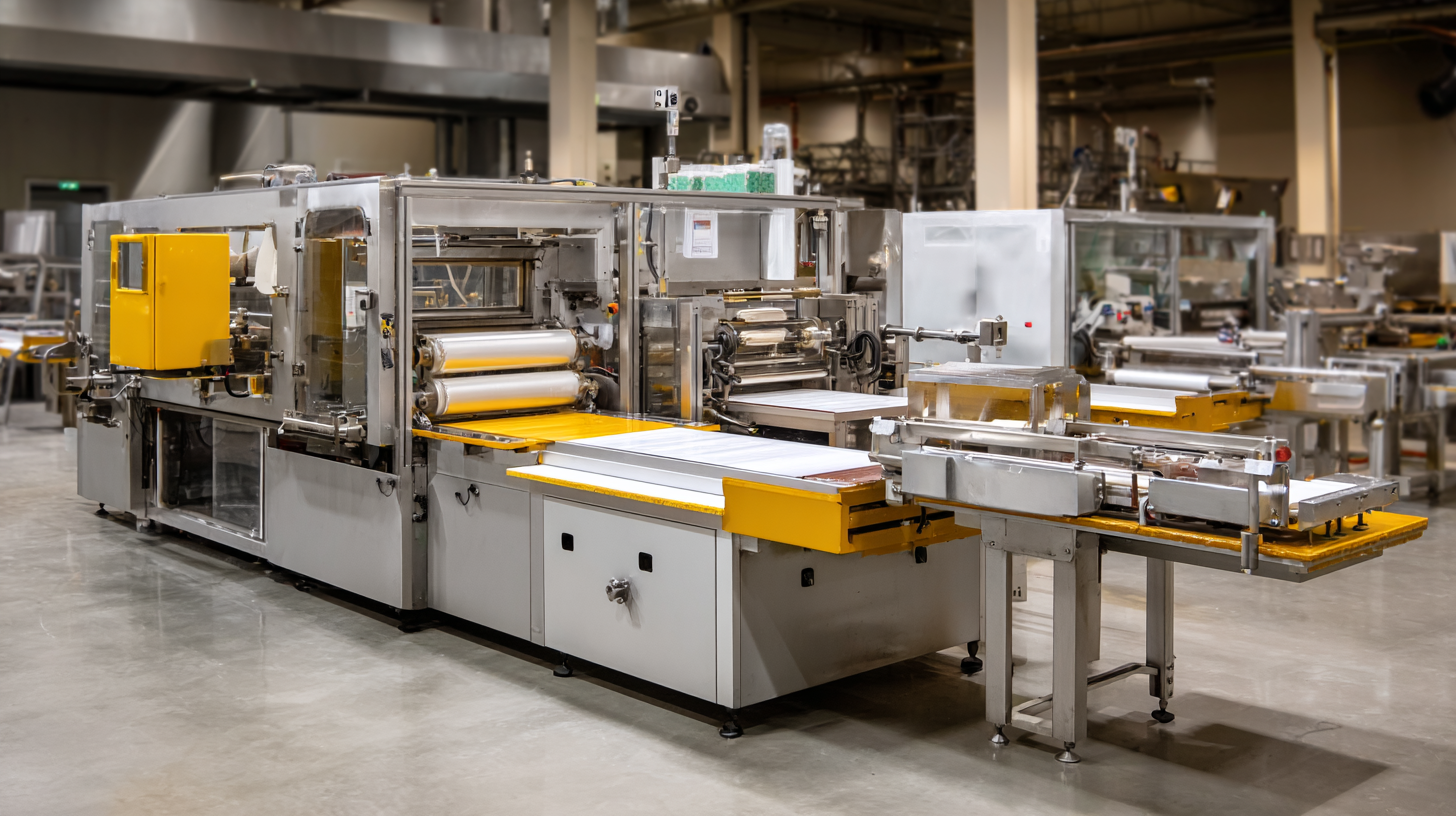
In modern production lines, chocolate packing machines play a crucial role in enhancing operational efficiency and maximizing output. According to a report by the International Confectionery Association, automated packing systems can boost production rates by up to 30% compared to manual packing processes. These machines are designed to streamline packaging operations, allowing manufacturers to meet growing consumer demand without compromising quality. By integrating advanced technology such as robotics and sensors, chocolate packing machines ensure precise measurements and consistent packaging, which significantly reduces product waste during the packing phase.
Tips for optimizing your chocolate packing process include conducting regular maintenance on packing machines to ensure they operate at peak efficiency. Additionally, investing in training for operators can further enhance performance, as knowledgeable staff can swiftly address minor issues before they escalate. Moreover, consider utilizing data analytics tools to monitor production metrics continuously. This can provide insights into bottlenecks in the packing process, enabling quick interventions that maintain a smooth workflow and minimize downtime. A well-functioning packing line not only increases production rates but also contributes to sustainable practices by reducing waste and improving the overall efficiency of your chocolate manufacturing operation.
Measuring Production Rates: How Advanced Packing Technology Boosts Output
The integration of advanced packing technology in the chocolate production industry has proven to significantly enhance production rates. By utilizing cutting-edge machines designed for efficiency, manufacturers are able to produce larger quantities of chocolate while minimizing the costs associated with labor and materials. This not only leads to a reduction in per-unit costs, following the principles of economies of scale, but also ensures that production processes operate smoothly with less downtime and waste.
Moreover, measuring the impact of these advanced packing technologies reveals that they play a crucial role in maximizing capacity utilization rates. Efficient packing systems allow chocolate producers to fully leverage their production capabilities, converting more of their potential output into actual products. As companies increasingly adopt these technologies, particularly in regions known for innovation, they position themselves to meet rising consumer demands while maintaining competitive advantages in both cost and sustainability. This trend reflects a larger shift in global manufacturing practices, where leveraging technological advancements is key to driving productivity and growth in a rapidly evolving marketplace.
Waste Reduction Techniques in Chocolate Packaging: Industry Best Practices
In the chocolate packaging industry, reducing waste is a crucial goal that not only enhances profitability but also supports sustainability. One effective technique involves the adoption of flexible packaging solutions that minimize material usage while maintaining product integrity. These materials can be tailored to fit various chocolate shapes and sizes, thus reducing excess packaging and the environmental impact associated with traditional packaging methods. Enhancing design efficiency through digital tools also allows for precise measurements, ensuring that every package is optimized to contain just the right amount of chocolate.
Another best practice in waste reduction is the implementation of automated packing systems that utilize advanced technology to streamline the packaging process. 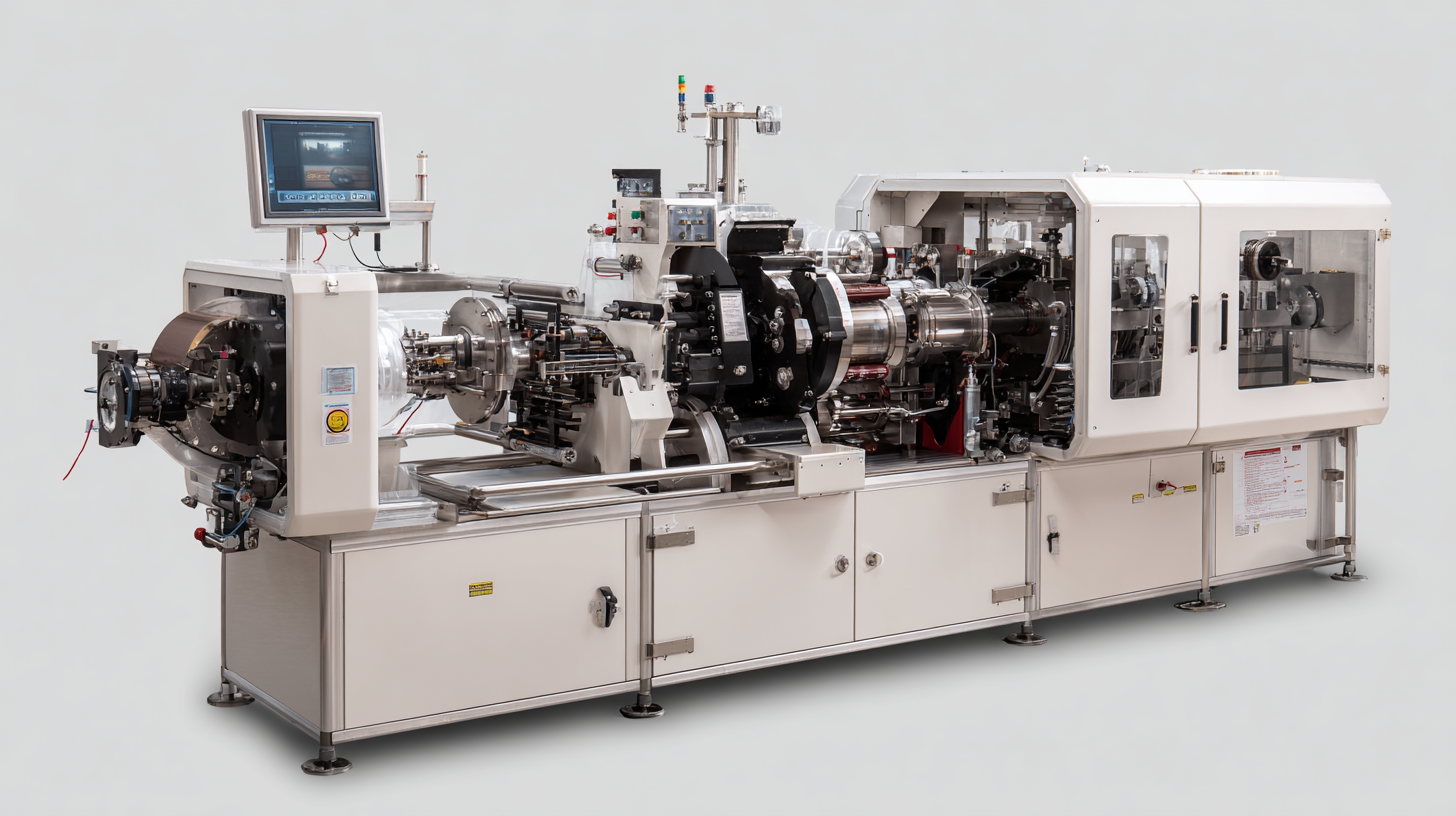 These machines often feature sensors and intelligent algorithms that adapt to production variations in real-time, significantly reducing the likelihood of over-wrapping or misalignments that lead to waste. Regular maintenance of packing equipment is also crucial, as it helps prevent malfunctions that can result in material wastage. By focusing on these techniques, chocolate producers can not only achieve higher production rates but also foster a more responsible approach to resource management in their operations.
Analyzing Cost-Effectiveness: ROI of Upgrading to High-Efficiency Packing Machines
Investing in high-efficiency chocolate packing machines can significantly enhance production rates while minimizing waste, directly impacting a company's bottom line. According to a report by the Food Processing Machinery Association, upgrading to state-of-the-art packing technology can reduce waste by up to 30%. By improving the accuracy of packaging processes, these machines ensure that materials are utilized more effectively, which translates into lower costs for raw materials and reduced disposal fees, contributing to a more sustainable operation.
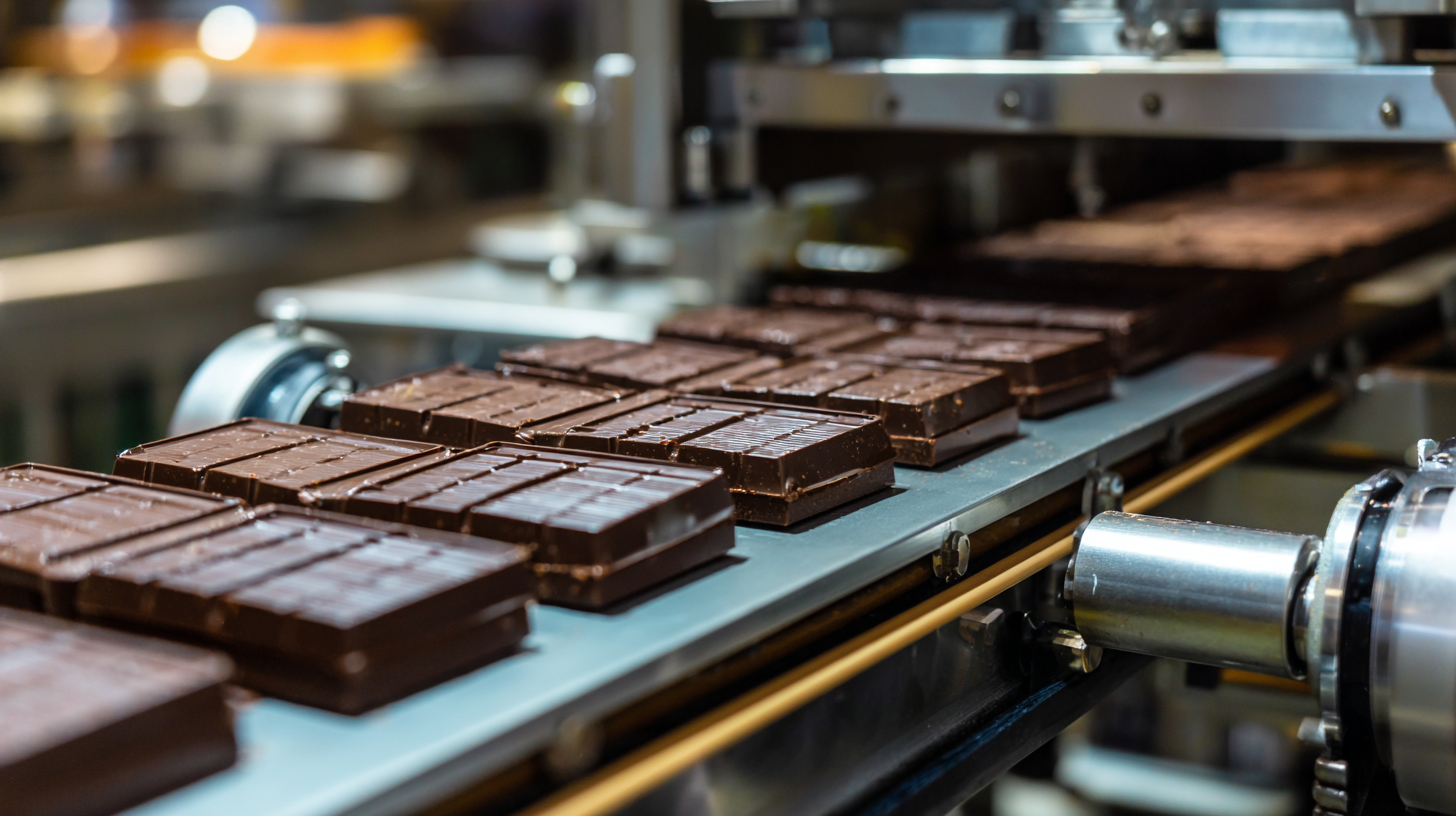
Furthermore, the return on investment (ROI) for high-efficiency packing machines is compelling. A recent study from the International Society of Food Technologists indicates that manufacturers can expect an ROI of around 150% within the first two years of upgrading. This boost is largely attributed to increased throughput and reduced labor costs, as modern machines automate many of the previously manual tasks. Consequently, businesses that adopt these advanced machines not only see enhanced productivity but also gain a competitive edge in the rapidly evolving chocolate market, where efficiency and sustainability are paramount.
Case Studies: Successful Implementation of Packing Machines in Chocolate Factories
The integration of advanced chocolate packing machines has transformed production processes in chocolate factories across the globe. For instance, a case study conducted by the International Confectionery Association revealed that factories employing automated packing systems saw a 30% increase in production rates within the first year. This dramatic improvement not only enhances throughput but also reduces labor costs significantly, allowing manufacturers to allocate resources more efficiently.
Moreover, waste reduction has become a compelling benefit of modern packing technologies. According to a report by the Food Processing Machinery Association, chocolate factories have successfully decreased packaging waste by up to 25% through the use of precision packing machines. These systems minimize excess material usage and ensure that chocolates are sealed correctly, preserving quality while optimizing packaging efficiency.
**Tips for Implementation:**
When considering new packing machinery, it's crucial to assess the specific needs of your production line. Investing in machines with adjustable settings can offer flexibility for different product sizes. Additionally, consulting with industry specialists can provide valuable insights into the latest technologies that can further enhance productivity and sustainability in your operations.