Cold Rolled Coil Tips for Quality and Cost Saving?
Cold Rolled Coil (CRC) has significant importance in various industries, such as automotive and construction. As per a recent report by MarketWatch, the global cold-rolled steel market is projected to grow at a CAGR of 5.3% through 2027. This growth underscores the need for manufacturers to optimize their production processes to ensure quality and cost efficiency.
Achieving high-quality CRC requires strict adherence to specific standards. Defects such as surface imperfections or dimensional inaccuracies can lead to increased rejection rates. According to the Steel Manufacturers Association, these defects can cost companies up to 15% of their total revenue. Therefore, employing advanced techniques in quality management is essential for maintaining competitive pricing without compromising on the material’s performance.
Moreover, exploring innovative cost-saving measures can enhance profitability. Potential strategies include adopting automated processes or investing in high-efficiency machinery. Nonetheless, manufacturers should tread carefully, as not all changes guarantee cost reduction. Navigating the complexities of the CRC market demands constant reflection and adaptation to evolving industry standards and consumer needs.
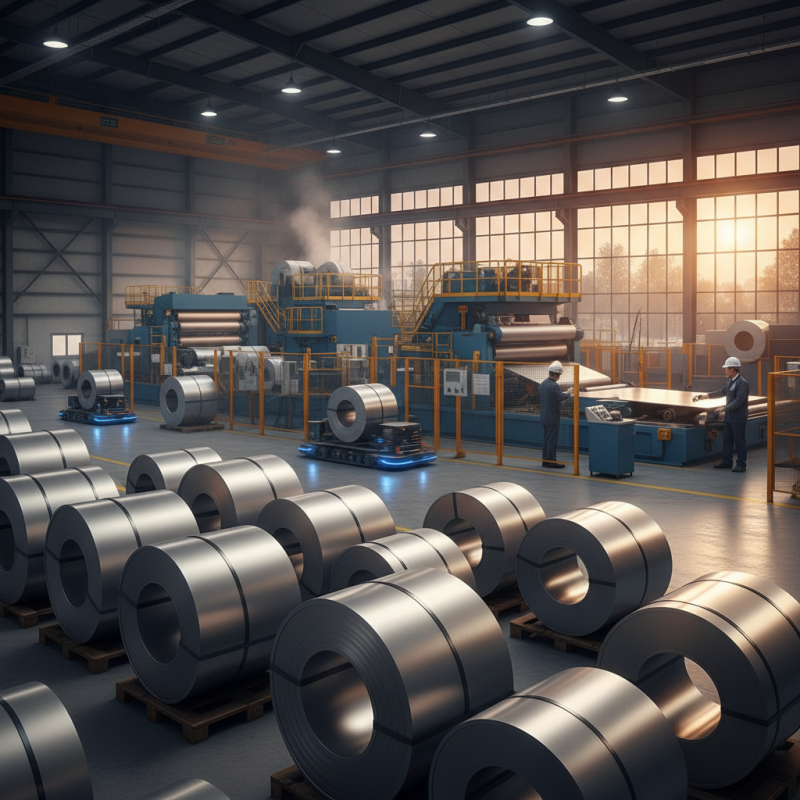
Understanding Cold Rolled Coil Manufacturing Processes
Cold rolled coil manufacturing is a complex process. It involves several stages, each impacting quality and cost. The initial step is slab preparation, where slabs are heated and rolled into thinner sheets. Controlling temperature is crucial in this stage. If not monitored, it can lead to inconsistencies in thickness.
After the slabs are rolled, they undergo annealing. This heat treatment improves ductility and reduces hardness. However, improper annealing can create defects like brittle areas. It’s essential to fine-tune the heating duration and temperature to avoid these issues. Many manufacturers overlook this aspect, leading to quality concerns.
The final stage involves surface treatment. This removes impurities and oxidation. But not every treatment is equal. Some methods may be more cost-effective but can result in lower quality. A manufacturer must assess the trade-offs. Balancing cost and quality requires careful thought. Observing these processes offers insights for improvement and economy in production.
Cold Rolled Coil Tips for Quality and Cost Saving
| Feature | Best Practices | Cost-Saving Approaches |
| Thickness Control | Utilize precision measuring tools | Reduce scrap by ensuring specifications are met |
| Surface Finish | Implement cleaning processes | Optimize material inputs to lower costs |
| Mechanical Properties | Conduct regular quality assessments | Focus on lean manufacturing techniques |
| Production Speed | Balance speed and quality | Reduce downtime through maintenance |
| Cost Efficiency | Evaluate operational processes regularly | Negotiate with suppliers for bulk pricing |
Key Quality Factors in Cold Rolled Coil Production
Cold rolled coil production is a complex process that requires attention to various quality factors. Achieving optimal surface finish is crucial. Reports indicate that a rough surface may lead to increased waste and higher costs. One study revealed that about 15% of production during cold rolling is scrapped due to surface defects. This highlights the necessity of proper preparation before rolling.
Tips for maintaining quality:
1. Monitor roll alignment. Misalignment can create uneven thickness.
2. Control temperature and pressure. Extreme variations might compromise the material integrity.
Another key element is the selection of raw materials. Steel quality plays a vital role. A lower quality can lead to premature failures, costing industries up to 20% more in repairs and replacements. Regular inspections of material specifications are essential to prevent costly mistakes.
Ultimately, refining the production process and paying close attention to detail can greatly enhance quality. The slight measurement errors in gauges or issues in lubrication are not just minor annoyances; they can accumulate into significant financial losses. Regular audits can help identify these areas for improvement.
Cost-Saving Strategies in Cold Rolled Coil Procurement
Cold rolled coil procurement can be challenging. Cost pressures make it essential to identify effective strategies for saving money. One approach is consolidating suppliers. Fewer suppliers can streamline processes, reduce negotiation time, and lower costs. However, be wary of over-dependence on a single source. This can increase risk if issues arise with that supplier.
Another effective strategy is to conduct regular market analysis. Understanding price trends can help you make informed purchasing decisions. Staying updated allows you to time your purchases better. It might be beneficial to build strong relationships with multiple suppliers. This creates a competitive environment that can lead to better pricing. Remember, however, to keep communication open. Poor communication can lead to misunderstandings and costly errors.
Sometimes, it’s easy to overlook smaller details in procurement. Small, seemingly insignificant costs can accumulate over time. Examine additional charges like shipping fees or handling costs. They can impact the overall budget more than expected. Evaluate your production processes as well. Optimizing these processes can also lead to significant savings in the long run. Always question current practices to find potential benefits.
Best Practices for Quality Control in Cold Rolled Coil Products
Quality control in cold rolled coil production is crucial for maximizing performance and efficiency. Reports indicate that nearly 70% of defects arise during the manufacturing process. Implementing best practices can reduce these issues significantly. Regular inspections are essential. Experts recommend that each coil undergo thorough testing for thickness, flatness, and surface defects.
Investing in advanced measuring technologies is beneficial, but it can be costly. For example, in-line optical scanners can reveal imperfections. While useful, they might not catch every flaw. Manual checks are still necessary. Training employees in quality standards enhances their capability in identifying issues early. Consistency in training methods leads to improved outcomes.
Feedback loops are vital for refining quality procedures. Companies must analyze defect data meticulously. A study showed that organizations that continuously improve their processes see a 20% reduction in waste. However, implementing these changes requires time and resources. Some companies may struggle to align their teams on quality goals. Assessing these challenges openly can foster a culture of improvement over time.
Evaluating Supplier Options for Cold Rolled Coil Sourcing
When sourcing cold rolled coil, evaluating supplier options is crucial. Many businesses focus on price alone. However, quality shouldn’t be sacrificed. According to industry reports, around 35% of production issues arise from inferior materials. This can lead to costly delays and rework.
To choose a reliable supplier, consider their production capabilities. Some suppliers may offer low prices, but their quality control measures might be lacking. This can be a gamble. A recent survey indicated that 42% of manufacturers had to deal with substandard materials from low-cost suppliers. It’s essential to ask for detailed specifications and quality certifications.
Another factor is lead times and delivery reliability. A supplier may seem promising with attractive prices but may struggle to meet deadlines. Delays can cascade through production schedules. Reports suggest that disruptions can cause losses of up to 20% in operational efficiency. Take time to assess each supplier’s track record. It pays to be cautious and well-informed.