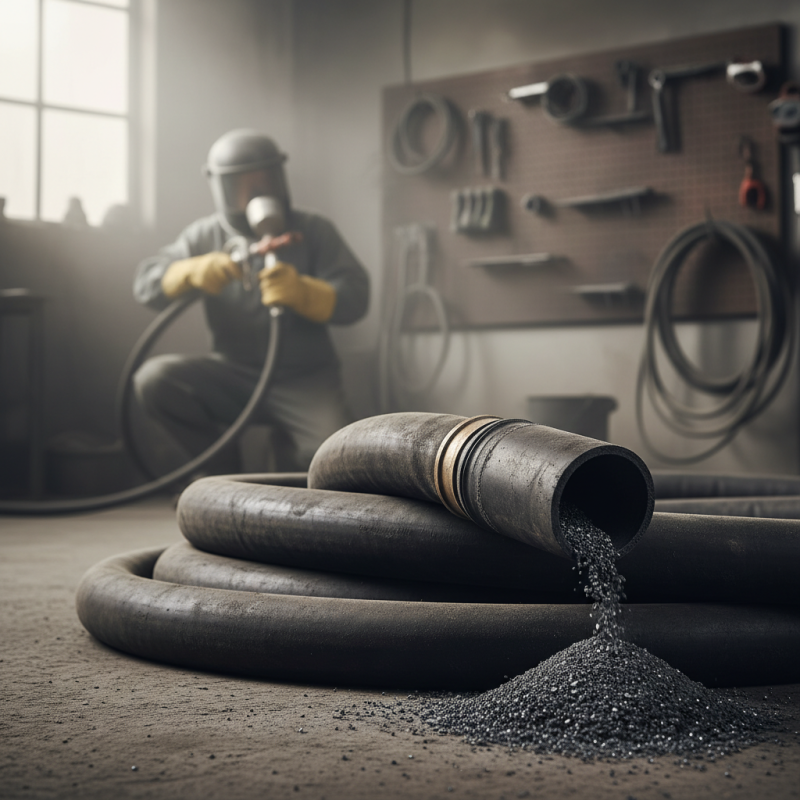
How to Choose the Right Sandblast Rubber Hose for Your Needs?
Choosing the right Sandblast rubber hose is crucial for effective sandblasting operations. A suitable hose ensures safety and efficiency during the process. With various options on the market, making a decision can be overwhelming.
When selecting a sandblast rubber hose, consider durability, flexibility, and abrasion resistance. The hose must withstand high pressure and harsh conditions. Different projects may require different specifications, and that’s often overlooked. It’s essential to think about the specific needs of your work environment.
Not all hoses offer the same level of performance. Some may not handle the materials as well as others. Users often face the dilemma of quality versus cost. Investing in a high-quality sandblast rubber hose might seem expensive initially, but it can save money in the long term. Reflecting on past experiences can help guide your choices.
Understanding Sandblast Rubber Hose Types and Specifications
When selecting a sandblast rubber hose, it's essential to understand the various types and specifications available. Sandblast hoses typically come in two main categories: standard and heavy-duty. Standard hoses are lighter and more flexible, making them suitable for general-purpose applications. Heavy-duty hoses are thicker and more durable, designed to withstand higher pressures and harsher conditions. According to industry reports, heavy-duty hoses are used for 70% of industrial sandblasting tasks due to their resilience.
Tip: Always check the pressure rating. Hoses used for different applications may require specific pressure thresholds. Ensure that the hose matches the compressor's output to avoid potential failures.
Length and diameter also play significant roles. Most hoses range from 1 to 2 inches in diameter. Larger diameters allow for higher material flow but can be cumbersome. Choosing the right diameter often comes down to balancing efficiency against ease of handling. A poorly chosen size may lead to inefficiencies during use.
Tip: Consider the environment. Hoses may degrade more quickly when exposed to sunlight or chemicals. Regular inspections are vital for maintaining hose integrity. Don’t overlook wear and tear; it can lead to unsafe working conditions.
Understanding needed specifications will guide you in selecting the right sandblast rubber hose for your specific needs.
Assessing Compatibility with Your Sandblasting Equipment
When selecting a sandblast rubber hose, compatibility with your sandblasting equipment is crucial. The hose must withstand high pressure and abrasion. Different sandblasting systems have unique pressure requirements. Check your equipment specifications before purchasing. Misalignment can lead to equipment damage.
The diameter of the hose matters too. Too narrow a hose can restrict airflow, affecting performance. On the other hand, a hose that is too wide may create inefficiencies. Always measure your existing setup carefully. Keep an eye on the material of the hose. Some materials may not mix well with certain abrasives. Don’t overlook this aspect in your selection process.
Consider the length of the hose as well. A longer hose provides flexibility but may lead to pressure loss. Short hoses are efficient but limit reach. It’s essential to balance these factors to find the right fit for your needs. Regularly assess your hose for wear. A worn-out hose can compromise your safety and equipment efficiency.
How to Choose the Right Sandblast Rubber Hose for Your Needs?
| Hose Diameter (inches) | Working Pressure (psi) | Material | Temperature Range (°F) | Application |
| 1/4 | 125 | Rubber | -20 to 150 | Light Sandblasting |
| 3/8 | 150 | Synthetic Rubber | -4 to 180 | Medium Sandblasting |
| 1/2 | 200 | Heavy-duty Rubber | -20 to 200 | Heavy Sandblasting |
| 3/4 | 250 | Reinforced Rubber | -40 to 220 | Industrial Sandblasting |
Evaluating Durability and Temperature Resistance Factors
When selecting a sandblast rubber hose, durability and temperature resistance are crucial factors. A report by the Hose Manufacturers Association indicates that hoses designed for abrasive materials can significantly vary in terms of wear resistance. Typical industry standards recommend hoses made from high-grade synthetic rubbers, which can withstand extreme temperatures ranging from -40°F to 190°F. This range is essential for operations in various environments.
It's wise to consider the specific temperature and pressure requirements of your worksite. For instance, exposure to heat can weaken certain materials. A sandblast hose exposed to high temperatures for extended periods may warp or crack. Regular inspection can help identify any early signs of wear.
Tips: Always check the manufacturer's specifications for temperature ratings. Look for hoses that offer additional features like abrasion resistance. A well-informed choice can prolong the life of your hose and improve overall safety. Remember, the ideal rubber hose balances flexibility and durability.
Evaluating Durability and Temperature Resistance of Sandblast Rubber Hoses
Choosing the Right Size and Length for Your Application
When choosing a sandblast rubber hose, size and length are crucial. Getting these aspects right ensures efficiency in your application. A hose that's too short limits your range of motion. Conversely, a hose that's too long may lead to tangling and decreased pressure.
Consider the work area. If space is tight, opt for a shorter hose. However, ensure it reaches all necessary surfaces. A common mistake is underestimating length. Measure your workspace carefully. Use tape to mark areas where the hose will operate. This simple action can prevent costly errors.
Tip: Always choose a hose that fits your equipment. Mismatched sizes can cause leaks or damage.
Additionally, evaluate how often you'll move the hose. For frequent movement, flexibility is key. Stiffer hoses can quickly become cumbersome. Look for a balance between durability and maneuverability.
Tip: Test hose lengths with mock setups before finalizing your choice. This hands-on approach reveals any potential issues.
Finally, remember that the right hose enhances your overall blasting experience. Each project may require different specifications, so remain adaptable. Regularly review your current setup to ensure it remains optimal for your needs.
Reviewing Manufacturer Warranties and Customer Support Options
When choosing a sandblast rubber hose, evaluating manufacturer warranties and customer support is crucial. Many users overlook this aspect, focusing instead on hose material and size. Research indicates that nearly 40% of customers experience issues with their hoses within the first year, making a solid warranty essential.
A typical warranty period ranges from one to five years. However, some manufacturers may offer limited coverage. Users should carefully read the terms. A good warranty not only covers defects but also includes labor costs for repairs. According to industry reports, companies providing extensive customer support see a 30% higher satisfaction rate among their clients.
Customer support options vary widely. Some manufacturers provide 24/7 assistance, while others have limited hours. It's vital to ensure help is accessible when needed. Customers are often left frustrated when they cannot reach support for urgent issues. Transparency in support options can reflect a manufacturer’s commitment to product quality. Users should reflect on their past experiences and value the importance of prompt, effective customer service in their hose selection process.