How to Choose the Right Motorized Valve for Your System?
When it comes to selecting a Motorized Valve for your system, the choices can be overwhelming. Many factors come into play, including the type, size, and intended use of the valve. Industry expert John Davis once stated, "Choosing the right Motorized Valve is critical; it can make or break your system's efficiency." With his insights, it's clear that understanding the specifics of each option is vital.
Motorized Valves control the flow of liquids and gases in various applications. They play a crucial role in automation and system efficiency. An incorrect choice can lead to malfunction or even system failure. It’s essential to consider characteristics like response time, durability, and compatibility with existing systems. Failing to do so can create performance issues that might be hard to troubleshoot later.
Making the right choice involves thorough research and sometimes a bit of trial and error. Too often, users underestimate the importance of these valves. Yet, even experts remind us that high-quality performance can be elusive. As you delve into the selection process, stay open to learning and refining your understanding of the ideal Motorized Valve for your needs.
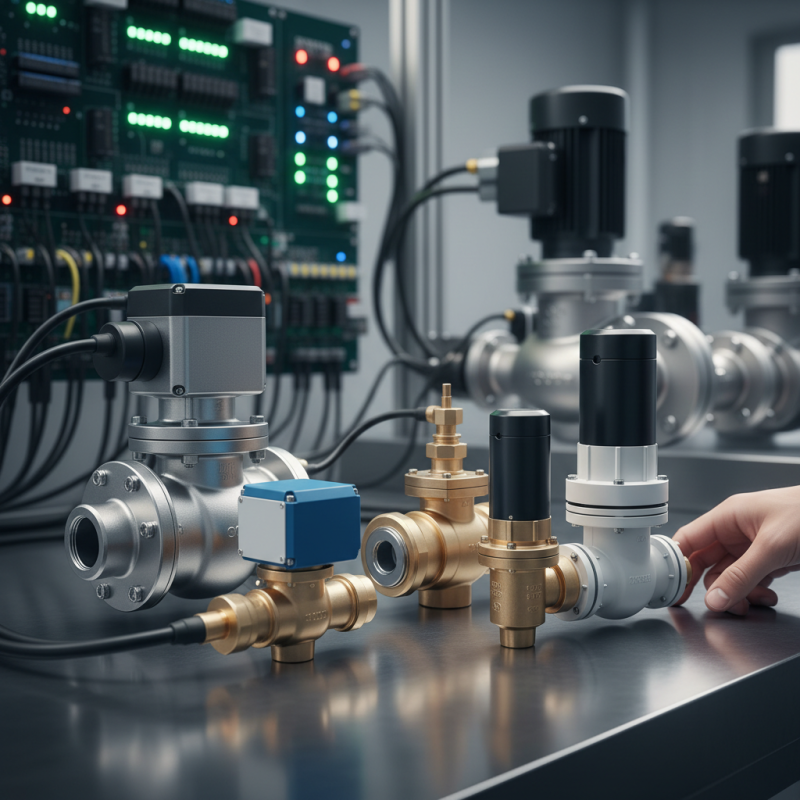
Understanding Different Types of Motorized Valves and Their Applications
When choosing a motorized valve, it's essential to understand the various types available. Each valve type serves specific applications. For instance, a globe valve is ideal for throttling services. It allows precise flow control, making it suitable for dynamic systems. Ball valves, on the other hand, offer quick shut-off. They are efficient for on/off tasks but may struggle with flow regulation.
Butterfly valves are favored in large pipelines due to their compact design. They are lightweight and provide quick operation but may not have the best sealing capabilities. It's important to consider the medium. If it’s a corrosive fluid, materials like stainless steel or plastic might be necessary. However, this adds to the complexity of your selection process.
In some cases, the application may not demand the perfect valve. Many users find themselves compromising. Additionally, installation can be tricky. Misalignment can lead to early failures. So, carefully review your system requirements before making a choice. This ensures you select a valve that meets operational and durability demands.
Key Considerations for Selecting the Right Actuator Type for Your Valve
Choosing the right actuator type is crucial for your motorized valve. Consider the power source first. Electric actuators are common, but they need electricity. Pneumatic actuators, on the other hand, use compressed air. They can be more suitable for certain environments.
Next, think about the control method. Actuators can be modulating or on/off. Modulating types allow for finer control of flow. This is great for processes needing precision. On/off types are simpler and often more reliable. However, they may not be ideal for dynamic systems.
Don't overlook the environment. Temperature and humidity levels can impact actuator performance. Some actuators are rated for extreme conditions. Examine the space where the valve will be installed. Make sure the actuator fits well. Lastly, reflect on the maintenance needs. Some actuators require more upkeep than others. This can influence your long-term costs and efficiency.
Evaluating Flow Capacity and Pressure Ratings for Optimal Performance
When selecting a motorized valve, evaluating flow capacity and pressure ratings is crucial. Flow capacity is often defined as the valve's Cv value, which indicates how much fluid it can pass. According to industry standards, the Cv value can significantly affect system efficiency. For example, a valve with a Cv of 20 can pass 20 gallons per minute of water with a 1 psi drop in pressure. Understanding this value helps in choosing the right valve for your application.
Pressure ratings also play a vital role. These ratings indicate how much pressure a valve can safely handle. Typically, valves have ratings ranging from 150 psi to over 600 psi. Selecting a valve with an appropriate rating prevents failures and costly leaks. However, misjudging these specifications can lead to system inefficiencies.
Tips: Always double-check your system requirements. Overestimating flow needs can lead to an oversized valve. Similarly, underestimating pressure ratings may cause valve failure. Maintain a balance for optimal performance. Remember, testing your system under various conditions allows for better decision-making. Don't overlook these aspects, as they are foundational to your setup's reliability.
Assessing Environmental Factors and Compatibility in Valve Selection
Choosing the right motorized valve is crucial for efficient system operation. Environmental factors play a significant role in this selection. Consider temperature extremes. If the valve operates in extreme heat or cold, it may degrade faster. Additionally, humidity levels can affect performance. Moisture can lead to corrosion. Selecting a robust valve for such conditions is essential.
Another factor is compatibility with existing system components. The material of the valve must match the fluids being used. For instance, corrosive fluids require special materials. Otherwise, failures may occur. It’s critical to assess all components thoroughly. Improper choices can lead to system leaks or malfunctions.
Finally, installation settings impact valve choice. Space constraints may limit size options. If the valve cannot fit, performance will suffer. Reflecting on these factors can guide effective decision-making. Careful assessment of environmental influences and system compatibility can prevent future issues. Always be prepared to adjust your choices as needs evolve.
Motorized Valve Selection Factors
This bar chart illustrates the importance of various factors to consider when selecting a motorized valve for your system. Understanding these factors can lead to better compatibility and efficiency in your mechanical systems.
Analyzing Cost-Effectiveness: Long-Term vs. Short-Term Valve Investments
When considering motorized valves, cost-effectiveness is key. Many buyers focus on the initial price. However, this approach can be misleading. A cheaper valve may save money now, but could lead to higher costs later. Frequent repairs and replacements add up. Take time to analyze long-term implications.
Long-lasting valves typically come with a higher upfront cost. But they often require less maintenance. This reduces disruptions and downtime. For systems operating continuously, investing in a durable valve makes sense. Visualize the savings from decreased labor and parts replacement over time. It's significant.
Consider your system's specific needs. Not all applications demand the same durability. Reflect on your usage patterns. Evaluate noise levels, precision, and energy efficiency. Each factor plays a part in your decision. Balancing short-term savings with long-term performance is crucial. In the end, ask yourself: which choice leads to sustainable savings?
How to Choose the Right Motorized Valve for Your System? - Analyzing Cost-Effectiveness: Long-Term vs. Short-Term Valve Investments
| Valve Type | Initial Cost ($) | Life Expectancy (Years) | Maintenance Cost per Year ($) | Total Cost Over 10 Years ($) |
| Electric Actuated Valve | 200 | 15 | 20 | 400 |
| Pneumatic Valve | 250 | 10 | 30 | 600 |
| Hydraulic Valve | 300 | 12 | 25 | 550 |
| Manual Valve | 100 | 20 | 10 | 300 |