How to Choose the Right Digital Flatbed Printer for Your Needs
Choosing a Digital Flatbed Printer is crucial for any printing business. The market for digital printing is booming. According to a Smithers report, the digital printing industry is expected to grow by over 6% annually, reaching $200 billion by 2025. This growth indicates the rising demand for high-quality, efficient printing solutions.
Digital Flatbed Printers are versatile tools for various applications. From signage to packaging, they offer substantial benefits. However, selecting the right model is often challenging. Factors such as print quality, speed, and media compatibility must be carefully considered. A common oversight is underestimating the importance of after-sales support.
Investing in a Digital Flatbed Printer requires thoughtful reflection. Think about your business goals. Do you need high-volume output or specific material capabilities? The right choice can enhance productivity. But the wrong choice may lead to disappointment and lost opportunities. Consider your needs clearly before making a decision.
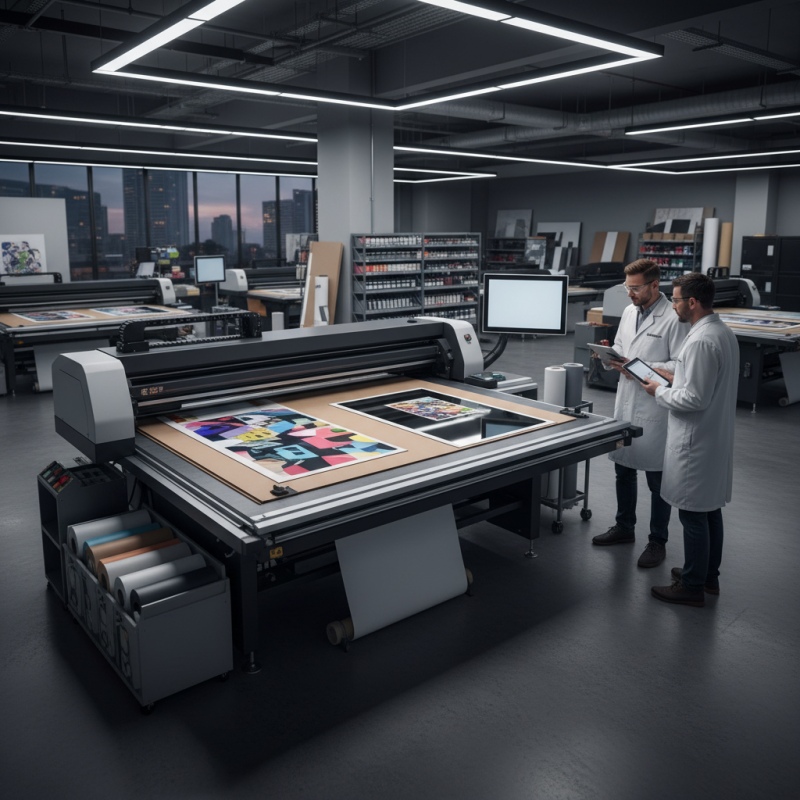
Understanding the Different Types of Digital Flatbed Printers Available
When choosing a digital flatbed printer, understanding the types available is key. There are UV printers, which cure ink using ultraviolet light. These are ideal for printing on various surfaces, like wood or glass. Then, you have eco-solvent printers, which are more environmentally friendly. They work well for indoor use and provide vibrant colors.
Another option is dye-sublimation printers. They transfer dye onto materials, producing high-quality images. This type is perfect for textiles and apparel. Each printer type has its strengths and challenges. Sometimes, the learning curve can be steep. Users might find themselves frustrated with initial setups and adjustments.
Cost is also a significant factor. UV printers may come with a higher price tag. But their versatility often justifies the expense. Eco-solvent printers are more budget-friendly but may not perform well on certain surfaces. It's important to reflect on your specific needs. Think about the materials you'll be printing on and your overall budget. Each choice demands careful consideration to align with your vision.
Evaluating Print Quality: DPI and Color Accuracy Standards in Flatbed Printing
When choosing a digital flatbed printer, print quality is crucial. DPI, or dots per inch, heavily influences how sharp and detailed your prints will be. A higher DPI usually means better quality. However, more DPI is not always better. Sometimes, it can lead to longer print times and increased ink usage. It's essential to find a balance that suits your specific needs.
Color accuracy also plays a significant role in print quality. Color profiles can vary between printers. What looks vibrant on one machine may appear dull on another. Therefore, testing prints with different color settings is vital. It can be frustrating when prints don’t match expectations. Regularly calibrating your printer can help achieve desired results, but it’s an ongoing task that requires attention.
Make sure to consider the materials you plan to use. Different substrates may require adjustments in color settings. Sometimes, the printer may not perform well on certain materials. Doing thorough research and testing is necessary. You might spend time trying to find the right combination. In the end, even small details in DPI and color accuracy can drastically change your final product.
Assessing Production Speed: Output Rates in Relation to Your Business Needs
When selecting a digital flatbed printer, production speed is crucial. According to a report from Smithers Pira, the average output rate for mid-range models is around 50 square meters per hour. This figure may vary based on the materials used and printer specifications. If your business requires high-volume runs, higher speeds are essential to meet customer demands. A printer delivering 100 square meters per hour can significantly increase efficiency and profitability.
Assessing your production speed involves understanding your workload. If your team faces tight deadlines, investing in a faster model might be wise. However, a faster printer often comes with higher costs. Balancing speed and budget is essential. Lower-end models could suffice for smaller jobs, but they may slow down larger projects. It's a dilemma many businesses face.
Additionally, consider the versatility of the printer. Some models excel in speed but lack flexibility for various materials. You don’t want to find yourself constrained by your equipment down the line. Analyzing your long-term goals is necessary. Will your needs change? A printer that meets today's demands might not be suitable tomorrow. Always reflect on your current and future objectives when making a decision.
Production Speed Assessment of Digital Flatbed Printers
Considering Material Compatibility: What Surfaces Can Flatbed Printers Print On?
When choosing a digital flatbed printer, understanding material compatibility is crucial. Flatbed printers can handle various surfaces. Common choices include wood, acrylic, metal, and glass. Each material presents unique challenges, though. For instance, printing on wood can result in uneven textures. The printer may struggle to adhere the ink properly on shiny surfaces like glass.
Different materials require specific inks. Some surfaces may not absorb ink well. This could lead to fading or smudging over time. It's essential to test your print quality on each material before committing to larger runs. Some printers may offer adjustable settings for different surfaces, while others could lack this flexibility.
Additionally, consider the size and thickness of the materials. Larger or thicker items might not fit well on smaller printers. Compatibility with various thicknesses varies. A mismatch can cause issues during printing. Careful evaluation of your materials will help ensure the right choice in printer. Reflecting on these factors can lead to better quality and satisfaction.
How to Choose the Right Digital Flatbed Printer for Your Needs - Considering Material Compatibility: What Surfaces Can Flatbed Printers Print On?
| Material Type | Compatibility | Advantages | Common Applications |
| Wood | Highly compatible | Natural look, good adhesion | Furniture, signage |
| Acrylic | Very compatible | Vibrant colors, smooth finish | Displays, awards |
| Metal | Moderately compatible | Durability, weather resistance | Nameplates, industrial signs |
| Ceramic | Compatible with special inks | Unique textures, color depth | Tiles, custom pottery |
| Canvas | Highly compatible | Photo quality, flexibility | Art prints, banners |
| Paper | Very compatible | Cost-effective, versatile | Posters, business cards |
Analyzing Cost Factors: Initial Investment vs. Long-term Operational Expenses
Choosing the right digital flatbed printer involves careful consideration of costs. It's crucial to analyze the initial investment versus long-term operational expenses. The upfront cost may be high, making it tempting to pick the cheapest option. However, lower-priced printers can lead to higher costs over time. Maintenance, ink, and replacement parts add to this expense. If not factored in, these costs can quickly balloon, impacting your budget.
Assessing the longevity and durability of a printer is essential. Some models promise low operation costs due to efficient ink usage. Yet, they may fail after a short period, leading to additional replacement costs. Calculating the average lifespan helps avoid these pitfalls. Consider how often you will use the printer and the volume of work it will handle. A printer that meets your needs today may not serve you well later. Evaluating these elements can steer you towards a more judicious investment.