Why Choose a PU Foam Lamination Machine for Your Business?
In today’s competitive market, businesses face unique challenges. Investing in a PU foam lamination machine can be a pivotal decision. This technology brings numerous advantages that can enhance production efficiency and product quality.
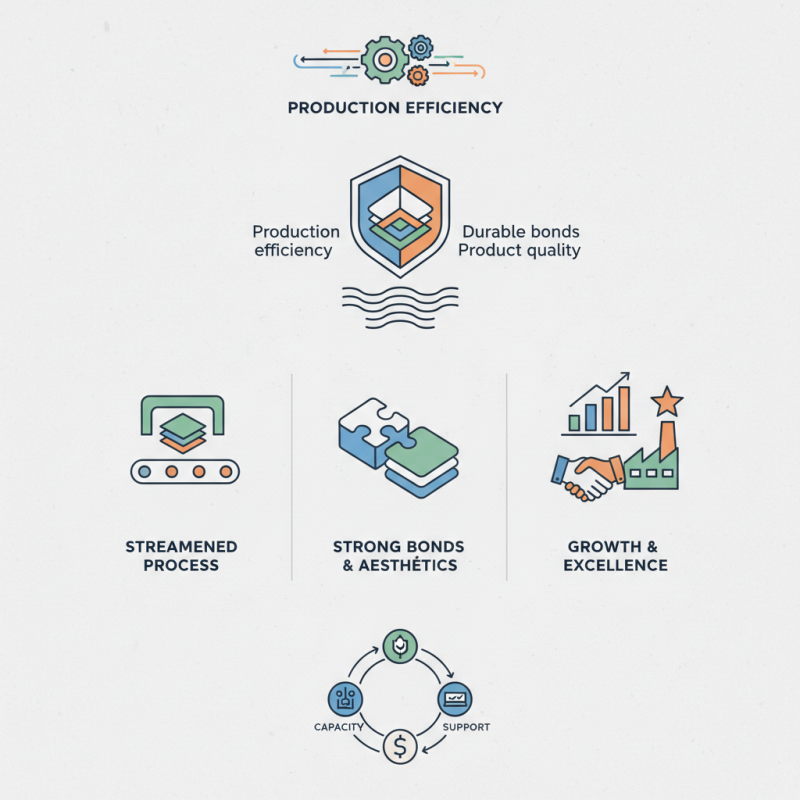
PU foam lamination machines streamline the lamination process. They create strong, durable bonds between materials. This ensures that products meet the demands of customers. Businesses can offer high-quality items with improved aesthetics. However, not all machines are equal. Some may fail to meet specific production needs, leading to wasted resources. Reliability is crucial in this equipment.
Choosing a PU foam lamination machine also requires careful consideration. Machining capacity, maintenance, and support services should be assessed. Sometimes, businesses overlook these aspects. Making a thoughtful investment in the right equipment can fuel growth. A PU foam lamination machine is not just a tool; it is a partner in production excellence.
Understanding PU Foam Lamination Technology
PU foam lamination technology plays a crucial role in various industries. This process involves bonding polyurethane foam with different materials, enhancing durability and performance. Reports suggest that the global market for PU foam is projected to reach $20 billion by 2025. This growth underscores its significance in sectors like furniture, automotive, and construction.
Understanding the technical aspects is essential. PU foam lamination machines use heat and pressure to create strong bonds. This technology allows for better insulation and sound-proofing. Many manufacturers report a 30% increase in product life when using laminated foam. However, ensuring quality control during production is often a challenge. There are cases where improper lamination leads to delamination issues down the line. Some businesses face high rejection rates due to inconsistent quality.
Another critical factor to consider is the environmental impact. While PU foam offers benefits, the production process involves chemicals that can be harmful. The industry is working toward more sustainable practices. Reports indicate a growing demand for eco-friendly alternatives in lamination materials. Finding a balance between efficiency and sustainability remains a challenge for many.
Key Benefits of PU Foam Lamination Machines
PU foam lamination machines offer significant advantages for businesses seeking efficiency. One of the primary benefits is their ability to enhance product durability. By laminating with polyurethane foam, the final product gains strength and resistance to wear. This durability is crucial in industries such as furniture or automotive manufacturing. Products hold up better over time, reducing return rates.
Additionally, these machines improve production speed. The lamination process is streamlined, allowing for quicker output. Businesses can meet demand more effectively and maintain competitive pricing. However, it is essential to note that initial setup and training can be challenging. Investing time and resources is necessary.
Flexibility is another key benefit. PU foam lamination machines can accommodate various materials. From textiles to plastics, the options are vast. This versatility can lead to creative product development. However, improper usage can lead to waste. Businesses must ensure staff is well-trained. Overlooking this can hurt overall efficiency. Balancing benefits with potential drawbacks is vital for long-term success.
Applications of PU Foam in Various Industries
PU foam demonstrates versatility across various industries, driving innovation and efficiency. For example, the furniture sector heavily relies on PU foam for cushioning materials. The furniture market is expected to grow annually by 4.7%, reaching approximately $500 billion by 2025. This growth illustrates the increasing demand for comfortable seating and durable products.
In automotive manufacturing, PU foam plays a critical role in sound insulation and safety. Reports show that more than 70% of modern vehicles utilize PU foam for enhanced passenger comfort. By absorbing noise and vibrations, PU foam helps create a quieter driving experience. However, the challenge lies in balancing performance and sustainability, as manufacturers seek eco-friendly alternatives.
The construction industry also sees a rising use of PU foam for insulation. Research indicates that using PU foam can improve energy efficiency by up to 30%. While this is promising, the industry must address the environmental impact of production methods. These factors reveal an ongoing need for innovation. Balancing cost and efficiency remains a significant challenge.
Why Choose a PU Foam Lamination Machine for Your Business? - Applications of PU Foam in Various Industries
| Industry | Application | Benefits of Using PU Foam |
| Automotive | Seat cushioning and sound insulation | Improves comfort and reduces noise levels |
| Furniture | Sofa and mattress production | Enhances durability and comfort |
| Construction | Insulation materials for buildings | Provides energy efficiency and moisture control |
| Textiles | Laminated fabric for clothing and accessories | Increases water resistance and breathability |
| Packaging | Protective packaging solutions | Reduces damage during transport |
Factors to Consider When Selecting a PU Foam Lamination Machine
When selecting a PU foam lamination machine, consider multiple factors. The machine's capacity is crucial. Determine how much foam you plan to process daily. You might need a high-capacity model for larger volumes. A smaller business may benefit from a compact option. The right capacity can boost your productivity.
Quality is another vital aspect. Look for machines that offer consistent lamination results. Testing demo samples can help you gauge performance. Pay attention to the type of lamination technology used. Different methods can yield varying results, affecting product quality.
Tips: Ensure the machine is user-friendly. Complex machines can slow down your processes. Also, think about maintenance requirements. Machines needing frequent repairs can cause delays. Choose one that offers good after-sales support. Investing time in research can yield significant benefits.
Maintenance and Efficiency of PU Foam Lamination Equipment
When running a business that relies on PU foam lamination, maintenance is key. Regular checks help ensure that your equipment runs smoothly. This reduces downtime and increases productivity. Keep an eye on critical components such as the heating elements and pressure settings. A small issue can become a big problem if overlooked.
Tips: Schedule regular maintenance sessions. Create a checklist with key areas to inspect. Document any irregularities for future reference.
Efficiency is another significant factor in choosing a PU foam lamination machine. Properly maintained machinery operates faster and uses less energy. This can lead to cost savings. Observe how different settings impact production speed. Some might be faster but less effective. Find a balance that works for your needs.
Tips: Experiment with machine settings during lower production times. Analyze the output quality and time taken for each method. Use visuals to track progress and areas needing improvement.