Best Damper Actuator Types for Optimal Performance?
Selecting the best Damper Actuator types is essential for optimal performance in HVAC systems. These devices control airflow, enhancing efficiency. Without the right actuator, systems struggle to maintain proper ventilation. Consequently, energy consumption may rise, leading to negative environmental impacts.
Different actuator types serve various environments and applications. For example, electric actuators are easy to install. They offer precise control and quick response times. On the other hand, pneumatic actuators can handle larger loads but may require more maintenance. It's crucial to consider specific system needs, as overlooking these factors can result in wasted resources.
Actuator accuracy affects overall system performance. An inappropriate choice can lead to drafts or stagnant air. Furthermore, underperforming actuators increase operational costs. Users should engage in thorough research. Finding the right Damper Actuator involves understanding both system demands and the unique characteristics of each actuator type. Reflection is necessary; sometimes, the best choice is not the most obvious one.
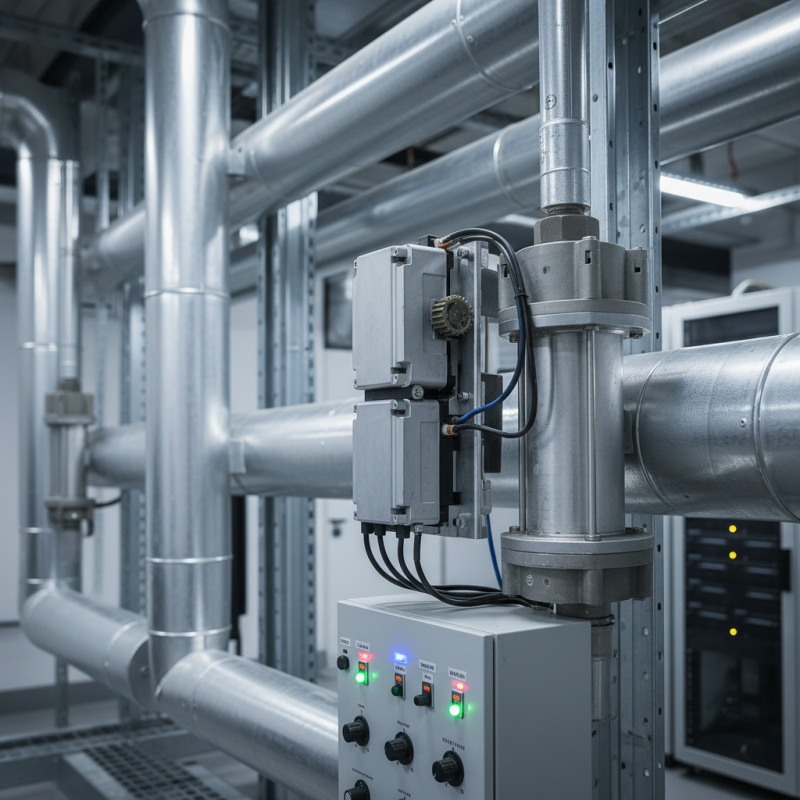
Types of Damper Actuators and Their Applications
Damper actuators play a crucial role in various applications. They control airflow in HVAC systems and enhance performance in industrial processes. There are several types available, including linear and rotary actuators. Each type has distinct advantages depending on how and where they are used.
Linear actuators are excellent for precise movements. They often work well in dampers requiring straight-line adjustments. Rotary actuators, on the other hand, are ideal for applications that need rotational movement. They are commonly used in butterfly valves and louver dampers. Understanding these differences is key to selecting the right actuator for your project.
**Tip:** Always analyze the specific needs of your application. Consider factors like response time, torque, and control methods. The right actuator can significantly improve efficiency, yet the wrong choice might lead to system failures or inefficiencies.
Another factor to consider is the environment. Certain actuators may not perform well in extreme temperatures or humidity levels. Assess the conditions before making a decision. Reliability is paramount; ensure you choose actuators designed for your specific operational context.
**Tip:** Regular maintenance of damper actuators can prevent issues. Contaminants can affect performance, so keep components clean. Learn from past experiences; any oversight can lead to significant setbacks in your project.
Best Damper Actuator Types for Optimal Performance
This chart illustrates the performance ratings of different types of damper actuators based on their application suitability. Electric and pneumatic actuators tend to score higher due to their efficiency and versatility, whereas hydraulic actuators maintain solid performance but are less flexible in certain applications.
Key Features of Electric Damper Actuators
Electric damper actuators play a crucial role in HVAC systems. They regulate air flow in ventilation systems, ensuring optimal performance. A recent industry report highlighted that these actuators can improve energy efficiency by up to 30%. This is significant for reducing operational costs. The reliability of the actuator affects overall system performance. If it fails, the entire system is compromised.
Key features of electric damper actuators include their torque ratings and response times. Torque ratings determine their ability to open and close dampers effectively. Most actuators offer torque ratings between 2 to 20 Nm. Quick response times ensure that the system adapts to changing conditions. A typical response time is around 2 seconds, but some models can perform faster.
However, some users encounter issues with sizing and installation. If an actuator is too small for the damper, it can lead to inadequate performance. Every installation needs careful assessment to avoid future problems. Regular maintenance is also overlooked. Without attention, even the best actuators can underperform. Ensuring the right match between the actuator and the damper is essential for long-term reliability and efficiency.
Benefits of Pneumatic Damper Actuators for HVAC Systems
Pneumatic damper actuators have gained attention in HVAC systems for their efficiency and reliability. One report from the American Society of Heating, Refrigerating and Air-Conditioning Engineers highlights that these actuators can enhance air handling efficiency by up to 30%. This performance is critical as energy consumption grows with rising demand for climate control.
These actuators operate with compressed air, providing rapid movement and precise control of dampers. This leads to improved air distribution, which directly impacts occupant comfort. Additionally, a study by the National Energy Management Institute suggests that pneumatic actuators can decrease maintenance needs by 25% compared to electric systems. However, reliance on compressed air could be a limitation in some setups.
While pneumatic actuators offer many advantages, they also present challenges. The need for consistent air pressure and potential leaks can affect performance. If the system is poorly maintained, efficiency can drop significantly. Understanding these nuances is essential for maximizing the benefits of pneumatic damper actuators. Proper installation and regular checks will ensure they perform optimally within HVAC applications.
Best Damper Actuator Types for Optimal Performance
| Actuator Type | Operating Principle | Benefits | Ideal Use Cases |
| Pneumatic Actuator | Uses compressed air to create motion | High speed, low energy consumption, and precise control | HVAC systems, industrial automation |
| Electric Actuator | Converts electrical energy into mechanical motion | Easy installation, programmable, and versatile | Smart HVAC systems, building automation |
| Hydraulic Actuator | Uses hydraulic fluid to transfer power | High force output, suitable for heavy-duty applications | Industrial processes, large-scale HVAC systems |
| Spring Return Actuator | Uses a spring mechanism to return to a default position | Fail-safe operation, reliable under power loss | Emergency systems, critical HVAC controls |
Comparative Analysis of Hydraulic vs. Electric Actuators
When discussing damper actuators, two main types emerge: hydraulic and electric. Hydraulic actuators excel in performance for larger systems. They deliver a strong force and provide precise control over movement. Users often appreciate the smooth operation and responsiveness. However, their complexity can lead to maintenance challenges. Leaks and pressure loss are common issues that demand attention.
On the other hand, electric actuators offer simplicity and ease of installation. They can be compact, making them suitable for various applications. Hooking them up is straightforward, and they require less upkeep compared to hydraulics. Still, electric actuators may not match the sheer power of their hydraulic counterparts. In some settings, they can struggle under heavy loads. Choices depend on the specific needs of each project. Decision-makers face the challenge of balancing power with practicality. Not every actuator serves every purpose effectively. The right selection often needs careful thought and consideration.
Factors Influencing the Choice of Damper Actuator for Performance
When selecting a damper actuator, several factors influence performance. The most crucial is application compatibility. Different environments demand specific actuator types. For example, outdoor applications may require weather-resistant actuators. A report from the HVAC Research Institute shows that improper selection can reduce efficiency by up to 30%. This is significant in optimizing system performance.
Control precision is another key factor. The actuator must provide accurate positioning for maintaining airflow. Variability can lead to inconsistent climate control. According to a study by the Energy Efficiency Council, precise control can enhance energy savings by 20%. Tight tolerances in actuator selection ensure better responsiveness to system demands.
Tips: Always evaluate the required torque and speed ratings. Matching these parameters can avoid performance issues. Review installation space and maintenance needs as well. Some actuators might require more frequent checks. Engage with experts if unsure about specific requirements. Asking questions can lead to better choices.