What are the Benefits of Using PP Woven Bags?
PP Woven Bags are gaining popularity in various industries. These bags are versatile and durable, making them an ideal choice for many applications. They are made from high-density polyethylene, which grants them strength and resistance to wear.
One significant benefit of using PP Woven Bags is their eco-friendliness. They are reusable and recyclable, helping reduce plastic waste. This is crucial in today’s world, where sustainability is a key concern. Many businesses are now opting for these bags to promote green practices.
Furthermore, PP Woven Bags are cost-effective. They offer excellent value compared to traditional packaging options. However, it’s essential to assess the entire lifecycle of these bags. Some may argue that they can still contribute to pollution if not disposed of properly. A deeper reflection on responsible use is necessary. Choosing PP Woven Bags means embracing a shift towards sustainability, but it requires conscious decisions about disposal and recycling.
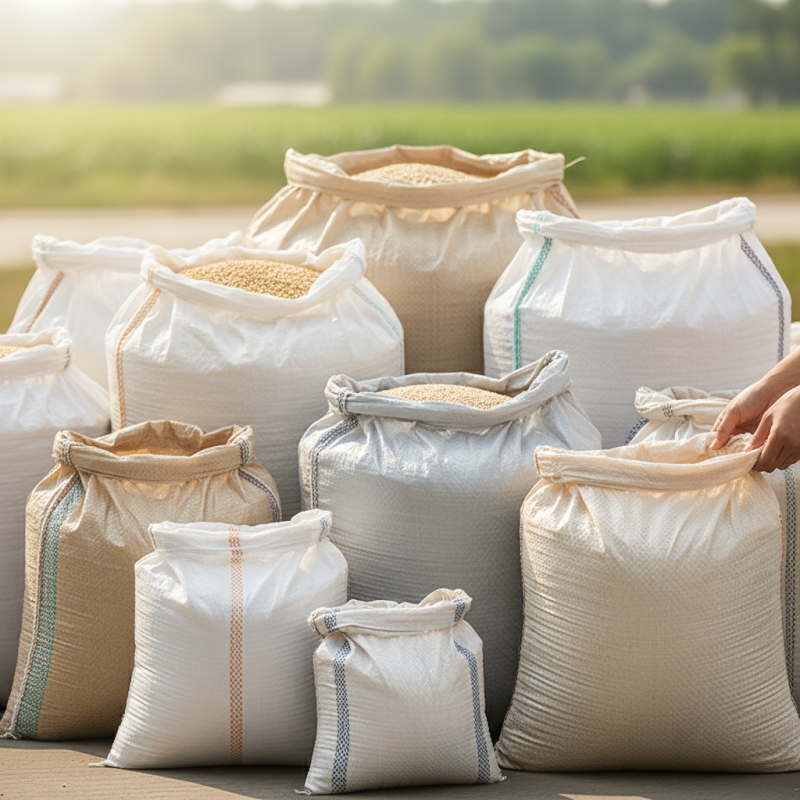
Advantages of PP Woven Bags Over Traditional Packaging Materials
PP woven bags are transforming the packaging industry. These bags are made from polypropylene, a strong and durable material. They offer several advantages over traditional packaging options like paper or plastic bags.
One major benefit is their strength. PP woven bags can hold heavy items without tearing. This is crucial for industries such as agriculture and construction. Additionally, they are resistant to moisture and chemicals, keeping contents safe. However, some consumers still worry about their environmental impact. They wonder if recycling options are available. It’s important to educate customers about proper disposal methods.
Another advantage is cost-effectiveness. While the initial price might be higher, their durability leads to long-term savings. Businesses can reduce packaging waste and cut replacement costs. Still, the initial investment can be a concern for small businesses. They might hesitate to switch from familiar options. Educating these businesses can help them see the long-term benefits of PP woven bags.
Durability and Strength Characteristics of PP Woven Bags
PP woven bags are widely recognized for their outstanding durability and strength. Made from polypropylene, these bags can withstand significant stress and load. A recent industry report indicates that PP woven bags have a tensile strength of up to 10,000 psi, making them highly resistant to tearing and puncturing. This robust characteristic is essential for industries that require reliable packaging solutions.
In addition to strength, PP woven bags are resistant to moisture and chemicals. This resistance enhances their durability in various conditions, prolonging the lifespan of the bags. Studies show that they can last for years, even when exposed to harsh environments. However, improper handling can impact their performance. A notable point of failure often arises from neglecting to store them in a dry place. This oversight can lead to reduced quality and strength over time.
While PP woven bags are strong, they do have limitations. For instance, they may not be suitable for extremely heavy loads without additional reinforcement. Moreover, if not disposed of correctly, they can contribute to environmental challenges. It's essential to reflect on responsible usage and disposal to truly leverage their benefits without compromising ecological integrity.
Cost-Effectiveness of Using PP Woven Bags for Packaging Solutions
PP woven bags are quickly gaining popularity in the packaging industry due to their cost-effectiveness. According to a recent market report, the global demand for woven polypropylene bags is projected to reach $6 billion by 2027, driven by their affordability and durability. These bags can significantly reduce packaging costs, often by up to 30%. They are lighter than many alternatives, which lowers shipping expenses as well.
One major advantage of using PP woven bags is their versatile applications. They can be used for various products, including agricultural goods, construction materials, and consumer goods. While some may argue that these bags lack the visual appeal of other packaging options, their practicality often outweighs this concern. They are resistant to water and tears, making them suitable for outdoor use, which is a considerable plus for many industries.
Tips: Always consider the weight and size of your packaging needs. Custom sizes may increase costs, but they can also enhance efficiency. Also, review your supply chain—switching to PP woven bags can streamline your operations and save money in the long run. Keep in mind that, while these bags are recyclable, the process varies by location. Ensure your packaging aligns with local recycling practices to avoid waste.
Environmental Impact and Recyclability of PP Woven Bags
PP woven bags have gained popularity for many reasons, including their environmental benefits. Made from polypropylene, these bags are durable and lightweight. One significant aspect is their recyclability. While they cannot be recycled in every facility, many locations have options for recycling. This creates opportunities for responsible disposal and a reduced carbon footprint.
However, the challenge lies in consumer awareness. Not everyone knows where to recycle PP bags. Some might toss them in the regular trash, which leads to landfill accumulation. Plastic waste remains a pressing issue globally. It's crucial to educate the public on proper disposal methods and recycling facilities.
Additionally, the production of PP woven bags still involves the use of fossil fuels. This aspect raises questions about sustainability. Can the benefits outweigh the environmental costs of production? Awareness and innovation are needed to address these concerns. Shifting towards more sustainable practices can enhance the positive impact of using these bags.
Versatility of PP Woven Bags in Various Industries and Applications
PP woven bags have gained popularity across many industries due to their versatility. The agricultural sector uses these bags for storing and transporting grains. According to industry reports, the global market for polypropylene bags is expected to grow to $5 billion by 2027, driven by high demand from this sector. These bags are durable and resistant to moisture, making them ideal for crops.
In addition to agriculture, PP woven bags find applications in construction. Construction materials like sand and gravel are often packaged in these bags. Their strength can hold heavy weights, making them reliable for such tasks. One report highlighted that the construction industry generates over 30% of the global demand for PP woven bags. However, despite their advantages, some users overlook the environmental impact of single-use bags. This highlights a growing concern.
Retail also utilizes PP woven bags extensively. They serve as reusable shopping bags, appealing to eco-conscious consumers. However, issues arise with waste management when these bags are discarded improperly. Acknowledging these drawbacks is essential as the industry moves towards more sustainable practices. Overall, PP woven bags demonstrate flexibility across various sectors, but challenges remain to be addressed for a greener future.