Medien zum Download.

Top 10 Benefits of Using Flatbed UV Led Printers?

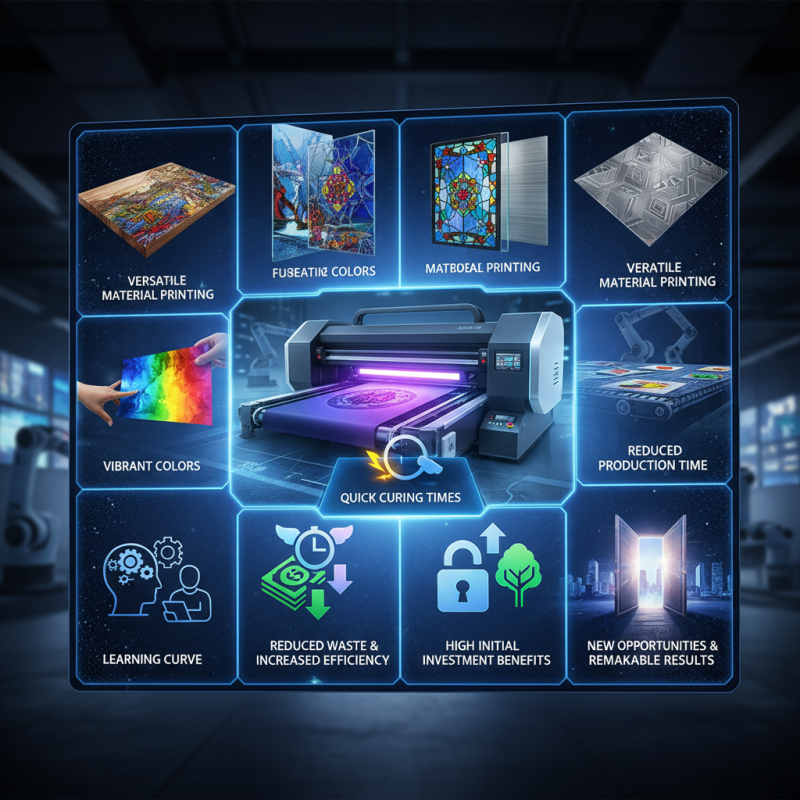
Flatbed UV Led Printers have transformed the printing industry. These machines offer unique capabilities that make them stand out. They can print on various materials like wood, glass, and metal. This versatility opens new doors for businesses. With the ability to apply vibrant colors, the final output is stunning.

Using a Flatbed UV Led Printer ensures quick curing times. The printer exposes ink to UV light, which hardens it instantly. This process reduces production time significantly. However, some might find it challenging to master the technology. It has a learning curve, particularly for those new to digital printing.

Cost-effectiveness is another important advantage. These printers can reduce waste and increase efficiency. But, initial investments can be high. Some businesses may hesitate to adopt them. Yet, the long-term benefits often outweigh these concerns. Ultimately, understanding the full potential of Flatbed UV Led Printers can lead to remarkable results.
Top 10 Benefits of Using Flatbed UV Led Printers?

Benefits of Enhanced Print Quality with Flatbed UV LED Printers

Flatbed UV LED printers are revolutionizing the print industry with their remarkable print quality. These printers use advanced technology to dry ink instantly using UV light. This method ensures vibrant colors and sharp details. The result? Stunning visuals that capture attention and effectively convey messages.

One significant advantage lies in the ability to print on various surfaces. From wood to glass, the versatility is impressive. This adaptability opens up new creative possibilities for designers. However, achieving perfect print quality requires careful calibration. Sometimes, uneven surfaces can lead to unexpected results. Practitioners must regularly review their techniques to maintain high standards.

Enhanced print quality can also impact durability. Prints produced with UV LED technology resist fading and scratching. This quality is particularly beneficial for outdoor signage or products exposed to wear and tear. Nevertheless, awareness of the potential challenges is crucial. If the ink isn’t adequately cured, it may result in issues over time. Continuous learning and adaptation are essential for maximizing the benefits of this technology.

Increased Versatility for Different Materials and Surfaces

Flatbed UV LED printers offer incredible versatility for various materials and surfaces. They can print on wood, glass, metal, and even fabric. This adaptability allows businesses to expand their product offerings. Printing on multiple surfaces opens new creative avenues. Companies can explore unique designs for signs, promotional items, or custom decor.

When using flatbed UV LED printers, consider the surface material. Each substrate reacts differently. For example, using a primer can improve adhesion on slick surfaces. Test the printer settings with small samples to achieve the best results. This step can save time and reduce waste.

Remember, the ink curing process is crucial. Timing affects the quality of the print. If the ink doesn’t cure properly, colors might not pop as intended. Adjusting the speed and intensity of the UV light can make a significant difference. Don’t hesitate to experiment with settings until you find the right balance. Consistent results require patience and a willingness to learn.

Top 10 Benefits of Using Flatbed UV Led Printers

Benefit Description Materials & Surfaces Ideal Applications
Increased Versatility Can print on a wide range of materials including wood, glass, metal, and plastic. Wood, Glass, Metal, Plastic Signage, Home Decor, Packaging
High Print Quality Produces sharp images and text with vibrant colors. Paper, Cardstock, Vinyl Marketing Materials, Invitations
Environmentally Friendly Uses UV LED inks that emit fewer harmful emissions. Various, with eco-friendly options Sustainable Products, Art Prints
Fast Drying Time Instant drying allows for immediate handling and shipment. Paper, Cardboard Quick Turnaround Projects
Minimal Waste Reduces ink waste with efficient printing technology. All Compatible Materials Cost-effective Production
Durability UV cured prints are resistant to fading, scratching, and moisture. Outdoor Signage Materials Outdoor Advertising, Industrial Applications
Customization Allows for personalized prints with unique designs and finishes. Any Flat Surface Custom Gifts, Wedding Decor
Cost-Effective Reduces costs for short runs and specialized prints. Small Batch Production Materials Small Businesses, Startups
User-Friendly Intuitive interface allows for easy management of printing processes. Compatible Media Graphic Design, Print Shops

Environmental Sustainability and Energy Efficiency Advantages

Flatbed UV LED printers offer significant environmental sustainability advantages. One major benefit is their reduced energy consumption. They can lead to a 50% decrease in energy use compared to traditional printing methods. This efficiency is vital as businesses seek to lower their carbon footprint amidst growing environmental awareness.

Moreover, UV printing technology uses inks that are free of harmful solvents. This results in fewer volatile organic compounds (VOCs) being released into the atmosphere. According to a recent industry report, businesses using UV LED printers report a 70% reduction in toxic emissions. This enhances indoor air quality and supports safer working conditions.

Another aspect worth noting is waste reduction. Conventional printing often generates excess materials and chemicals. On the other hand, flatbed UV printers are more precise, minimizing ink waste. While some companies are still adapting to this technology, the long-term benefits are evident. This transition could position the industry toward a more sustainable future. However, it requires ongoing investment and education to fully realize these gains.

Cost-Effectiveness and Long-Term Savings on Operations

Flatbed UV LED printers are becoming increasingly popular due to their cost-effectiveness. These printers use UV light to cure ink, which reduces energy consumption. According to a recent industry report, businesses can save up to 50% on energy costs compared to traditional printing methods. This reduction in energy usage directly influences the overall operational costs.

Maintenance expenses also see a notable decrease. With fewer moving parts, flatbed printers often require less regular upkeep. A study indicated that companies using these printers reported a 30% reduction in maintenance costs over five years. Additionally, the longevity of the UV LED bulbs contributes to lower costs. They typically last up to 20,000 hours, compared to just 1,000 hours for traditional lamps.

However, the initial investment can still be daunting for some businesses. The upfront costs of high-quality flatbed UV printers can be significant. It's crucial to weigh these initial expenses against long-term savings. Companies might need to reassess their budget strategies. Finding the right balance between upfront investment and future savings is a challenge many face. Achieving optimal output efficiency with minimal waste is a journey seen in many thriving businesses. Balancing costs can lead to better profit margins in the long run, but it requires careful planning and commitment.

Faster Production Times and Improved Workflow Efficiency

Using flatbed UV LED printers can greatly enhance workflow efficiency. One major advantage is the faster production time. These printers cure inks almost instantly, allowing for quicker job turnaround. This speed results in fewer delays and boosts overall productivity. It’s essential to stay on schedule, and quicker production times help achieve this.

Tips: Keep your workspace organized. A cluttered area can slow you down. Regularly maintain your printers to avoid unexpected issues that disrupt workflow.

Another benefit is their versatility. Flatbed UV LED printers can handle various materials. This adaptability means that you can easily switch between jobs. However, switching materials might require adjustments. Too often, users overlook the need for proper calibration, which can lead to quality issues. Remember that consistency is key, but be prepared for some trial and error.

Tips: Test prints on sample materials before finalizing. This minimizes waste and ensures quality. Expect some initial hiccups as you adapt to new materials.

Top 10 Benefits of Using Flatbed UV LED Printers