What is a 3D Anti-counterfeiting Label and How Does It Work?
In the current market, authenticity is vital. Counterfeit products remain a significant challenge for brands and consumers alike. This is where the innovative 3D Anti-counterfeiting Label comes into play. It offers a unique solution that enhances product security and trust.
The 3D Anti-counterfeiting Label uses advanced technology to create visual effects that are difficult to replicate. These labels can display intricate designs and colors that shift when viewed from different angles. Such distinct features make counterfeiting a daunting task for fraudsters. However, it’s important to note the limitations of this technology. Not all consumers are familiar with how to verify these labels.
Understanding how the 3D Anti-counterfeiting Label works reveals its potential. Brands are investing heavily in this area, hoping to secure their products better. Yet, consumer awareness and education about these labels remain crucial. As technology evolves, so do methods of counterfeiting. This ongoing battle prompts reflection on the effectiveness of current measures.
What is a 3D Anti-counterfeiting Label?
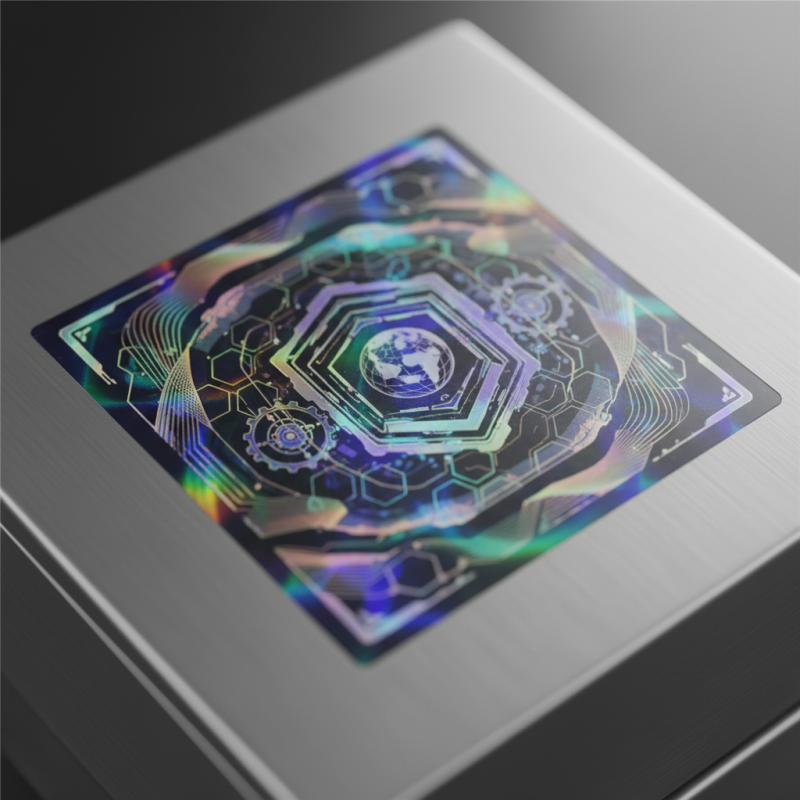
3D anti-counterfeiting labels are innovative tools designed to combat the growing issue of counterfeit products. These labels utilize advanced technologies to create unique, three-dimensional effects that are difficult to replicate. When light hits the surface, intricate patterns and images emerge, providing a visual cue of authenticity. They can be applied to a wide range of products, enhancing security while providing a stunning aesthetic.
The underlying mechanics involve sophisticated printing techniques and materials. Some labels incorporate special inks that change color or reveal hidden elements when viewed from different angles. This dynamic interaction captivates users and sets genuine products apart from fakes. However, despite these advancements, challenges exist. Some counterfeiters continuously adapt and find ways to mimic these labels, creating a constant cat-and-mouse game between security measures and counterfeit production.
Consumers also face dilemmas. Not everyone can differentiate between a genuine and a counterfeit label. Education about these features is critical. Companies must invest not just in technology, but in customer awareness. Transparency in label design also plays a role. If labels are seamless and too simple to understand, they may fail to convey their security features effectively.
Key Technologies Behind 3D Anti-counterfeiting Labels
3D anti-counterfeiting labels use advanced technologies to ensure product authenticity. These labels employ holographic images and micro-texts, making them difficult to replicate. The intricate designs can require special equipment for both creation and verification. This complexity acts as a deterrent for counterfeiters.
One key technology is nanotechnology. It manipulates materials at the molecular level, creating unique features on labels. Another technology is 3D printing, which allows for the production of custom designs. Such methods contribute to stronger security measures against forgery.
Tips: Always inspect the label closely. Look for inconsistencies in the holographic images. If something feels off, it’s worth investigating further. Remember, distinct textures can reveal hidden details.
Implementing these technologies can be challenging and costly. Some companies may face difficulties standardizing production. A lack of education on the importance of these labels can also lead to misuse. Therefore, continual training and awareness are crucial for effective use. Labels should not just look nice; they must serve their purpose well.
How 3D Anti-counterfeiting Labels Enhance Product Security
3D anti-counterfeiting labels are revolutionizing product security. These labels use advanced technologies to create three-dimensional effects. This visible complexity makes counterfeiting much harder. They can incorporate unique optical features. When viewed from different angles, the label changes appearance, adding an extra layer of protection.
Consumers benefit greatly from these labels. They provide instant verification for authenticity. Really, who wants to buy a fake product? This solution helps businesses build trust. However, some might question the effectiveness over time. Do these labels remain reliable amid various environmental factors? They might wear down or lose integrity.
It's not just about technology, though. There’s a human element involved. Training staff to recognize these labels is crucial. Without proper knowledge, even the best labels fall short. Awareness and education must keep pace with innovations. To truly enhance security, everyone needs to play a part.
3D Anti-counterfeiting Labels: Product Security Enhancement
Applications of 3D Anti-counterfeiting Labels in Various Industries
3D anti-counterfeiting labels are gaining traction across various industries. These labels utilize advanced holographic technology to create intricate designs that are difficult to replicate. In the pharmaceutical sector, they help ensure the authenticity of medications, addressing the alarming statistic that counterfeit drugs account for around 10% of the global market. The implications for patient safety are substantial.
In the luxury goods sector, 3D labels serve as a deterrent against fakes. Recent reports show that the global market for counterfeit luxury goods reached approximately $1.2 trillion in 2022. Brands are investing in these labels to protect their reputation and revenue. A significant advantage of 3D labels is their visual appeal. They enhance product presentation while providing robust security features.
Food and beverage industries are also adopting 3D anti-counterfeiting labels. They help combat the rise of counterfeit products, which pose health risks to consumers. A study showed that 60% of people expressed concerns about food authenticity. However, implementing these labels can be costly and require changes in packaging processes. Brands must consider the trade-offs and effectiveness before fully committing.
Challenges and Future Trends in 3D Anti-counterfeiting Technology
The rise of 3D anti-counterfeiting technology brings exciting prospects and notable challenges. Many companies use 3D labels to secure products against forgery. However, their effectiveness can wane in a rapidly evolving technological landscape. Advanced copying methods sometimes outpace these security features. This leads to a constant need for innovation in label design and functionality.
Tips: Regular updates to technology are crucial. Brands should assess their security methods often. Staying ahead of counterfeiters requires continuous adaptation.
Future trends appear promising. Integration of smart technology may enhance label functionality. For instance, labels could interact with users’ smartphones for instant verification. Yet, implementing these features often comes with cost and resource challenges. Smaller businesses may struggle to keep up.
Tips: Explore partnerships for better access to advanced technology. Collaboration can lead to shared knowledge and reduced costs in innovation. Embrace the challenge of balancing security and budget constraints.